
Freckles and sun spots are among the most common reasons people book a laser session in Seoul. The treatment itself is quick, and for discrete spots the results can be visible within weeks. The part that actually determines your outcome happens before any laser is switched on: identifying what kind of pigment you have.
Freckles, sun spots and melasma are not the same thing
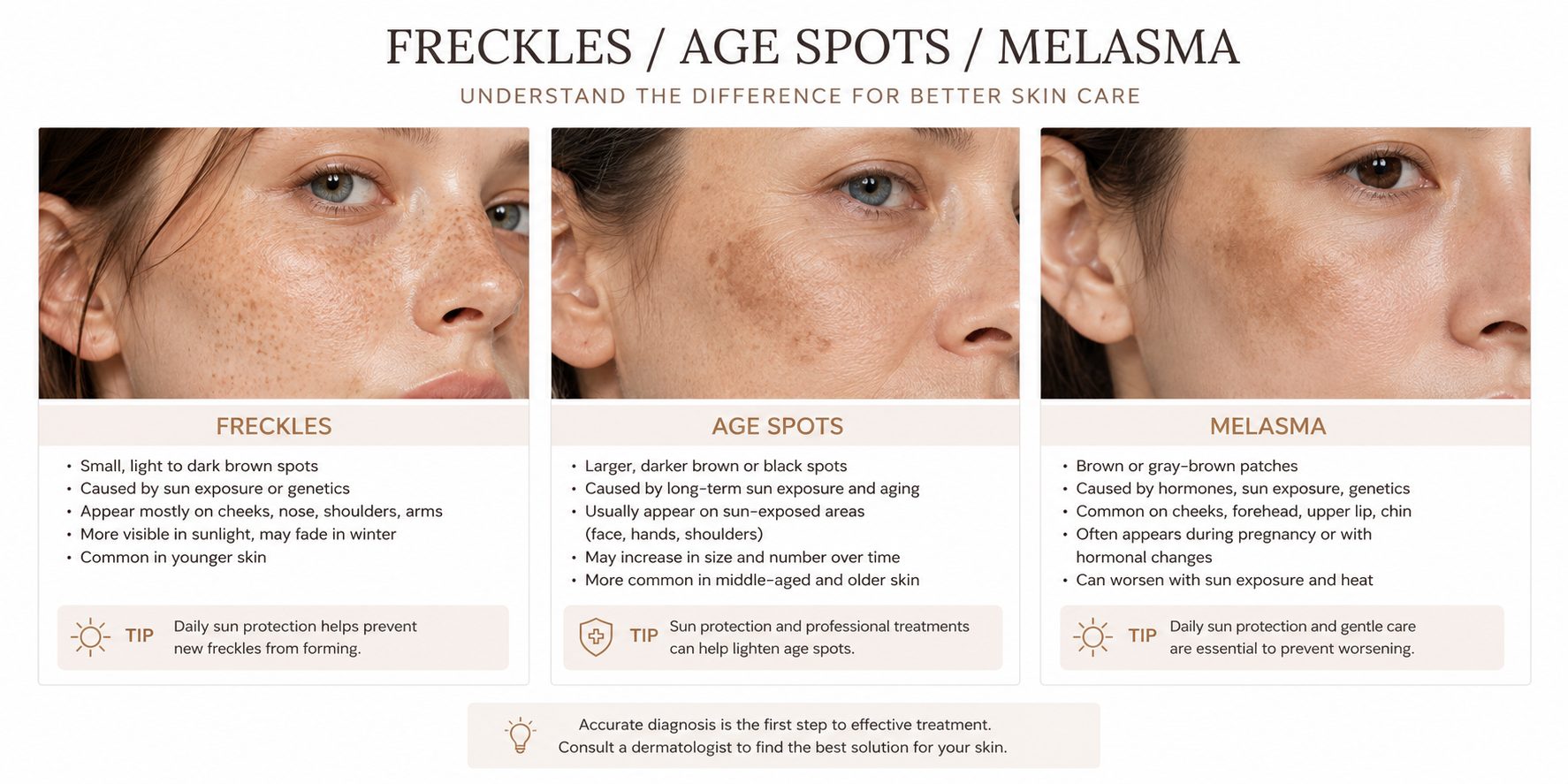
Three conditions are often lumped together as pigmentation, and they behave differently under laser.
Freckles, known medically as ephelides, are small pigment spots that usually appear in childhood and darken with sun exposure. They are most common in lighter skin types.
Sun spots, known as solar lentigines, are flat brown spots that accumulate with years of sun exposure, typically on the face, hands and shoulders. They tend to persist year-round.
Melasma is a hormonally influenced pigment condition that appears as broader patches, often on the cheeks and forehead. It is managed differently, and aggressive laser settings can make it worse. If your pigment is patchy rather than spotty, read our melasma guide first.
A doctor’s examination separates these before treatment. This single step protects you from treating the wrong condition with the wrong settings, and it is where safe pigment work begins.
How laser removal works
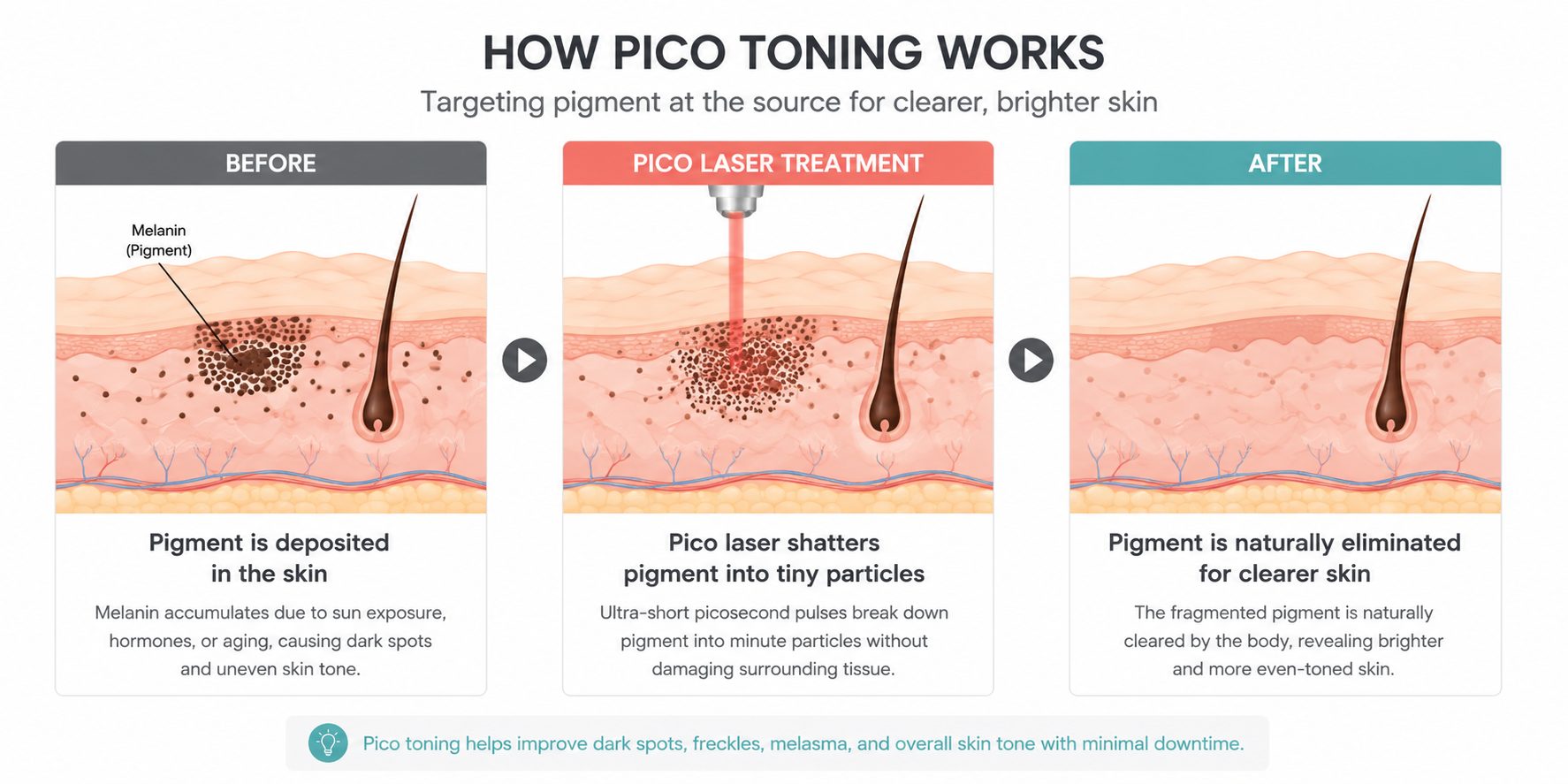
For freckles and sun spots, pico laser is the standard tool at Dr. E-Laser Dermatology. The laser delivers energy in picosecond pulses that shatter melanin into fragments the body clears naturally. Because the pulses are short, surrounding skin receives less heat.
Discrete sun spots are usually treated as targeted spot treatments. Widespread freckling is often treated across the area in gentler passes. Many patients see meaningful clearing after one to three sessions, depending on pigment depth and density. Deeper or older pigment can take more.
What a session is like
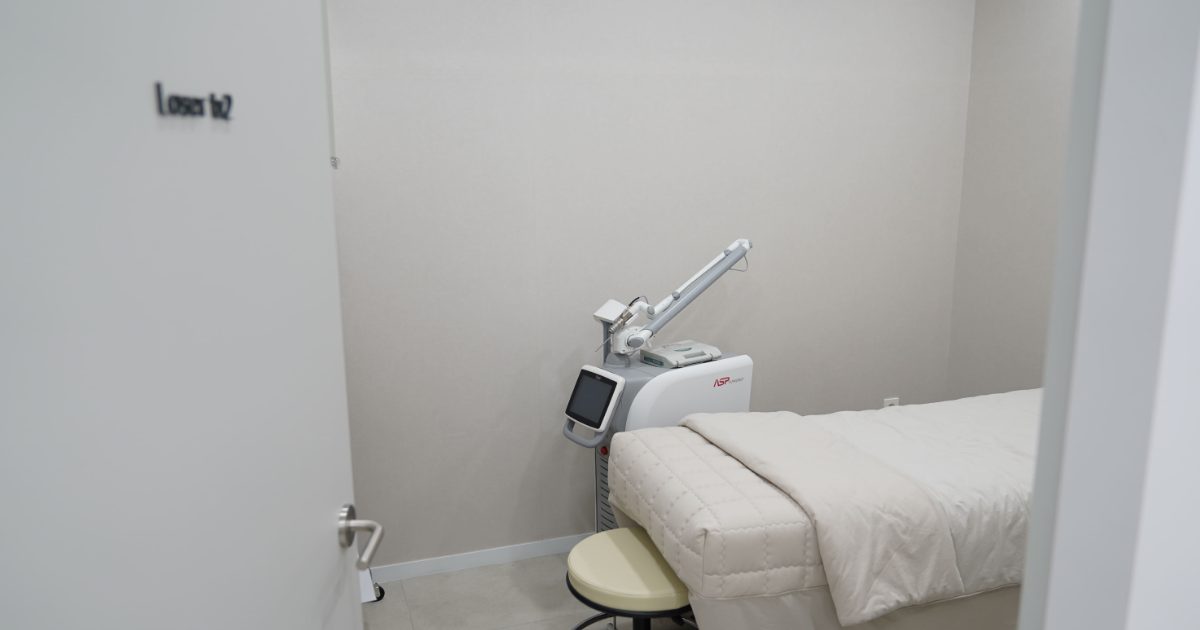
A typical appointment runs 30 to 60 minutes including numbing cream. The laser itself often takes only minutes for spot treatments. Most patients describe the sensation as quick snaps against the skin.
Afterwards, treated spots typically darken and form fine crusts that flake away over five to ten days. This is the normal course, not a complication. Redness in the treated area usually settles within a day or two. Makeup rules and washing guidance are given at the clinic and depend on the treatment intensity.
Spot treatments are short and fit easily into a normal week. Message us on WhatsApp and our English-speaking coordination team will help you time a session around your plans.
Who is a good candidate, and who should wait
Good candidates have discrete freckles or sun spots, untanned skin at the time of treatment, and time to let the flaking phase pass.
Some patients should wait or reconsider. Recent tanning raises the risk of uneven results, so treatment is usually postponed until the tan fades. Suspected melasma calls for a different plan, as above. Any spot that has changed shape, colour or border should be examined medically before cosmetic treatment is even discussed. Pregnant patients should discuss timing with the doctor.
One honest limit: laser removes the spots that exist today. It does not change your skin’s tendency to freckle. New sun exposure can produce new spots, which is why sun protection is part of the treatment plan, not an afterthought.
Aftercare and sun protection
Aftercare is simple but matters. Do not pick or scrub the crusts. Use a gentle cleanser and moisturiser. Apply broad-spectrum sunscreen daily and reapply outdoors, especially during Korea’s high-UV months. If you are flying soon after treatment, our guide to flying after laser treatment covers timing.
Costs for pigment treatments are covered in our treatment cost guide.
Frequently asked questions
Does freckle removal hurt?
Most patients describe quick snaps rather than pain, and numbing cream is applied beforehand. The discomfort ends when the laser stops.
Will my freckles come back?
Treated spots typically clear, and whether they stay clear depends largely on your sun exposure afterwards. Your skin’s tendency to freckle remains, so new spots can appear with sun exposure over time. Daily sunscreen is the difference between a result that holds and one that fades.
Can I have freckles treated in summer?
It is possible, but timing matters. Skin should be untanned at treatment, and sun discipline afterwards is non-negotiable. Our guide to the best time of year for skin treatment in Korea explains how the seasons affect pigment work.
How much does freckle removal cost in Seoul?
Pricing depends on the number of spots and the area treated, and is confirmed at consultation. Our treatment cost guide explains how pigment treatments are typically priced.
Freckle removal at Dr. E-Laser Dermatology
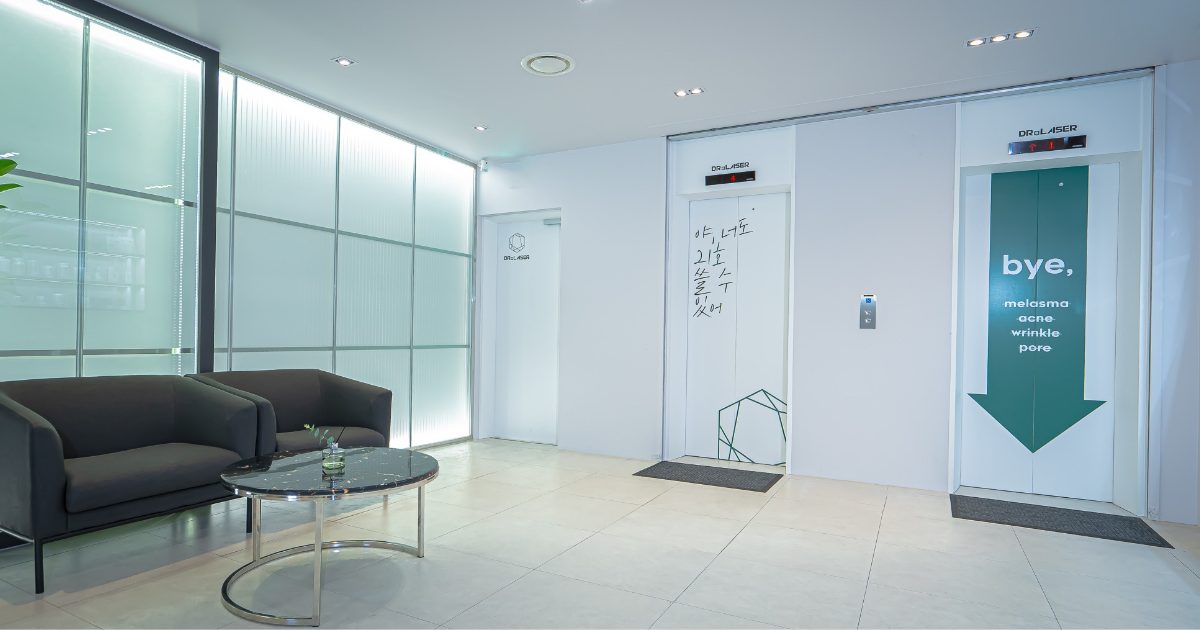
Dr. E-Laser Dermatology is a precision laser clinic in Cheongdam, Seoul, specialising in doctor-led skin treatments with English-speaking care throughout. Pigment work begins with an examination to confirm what your spots are, followed by settings chosen for your skin type. Where there is any doubt, a conservative first pass or test spot is the default.
The clinic is a short walk from Apgujeong Rodeo Station, and English-speaking coordination is available by phone and WhatsApp.
For the lasers we use for freckles and sun spots, see our pigmentation treatment page.
Many spot treatments can be completed in a single visit. We recommend booking in advance so a time can be secured that suits your schedule. Message us on WhatsApp to arrange a consultation.
About the Doctor
Dr. Kwangsuk Suh is a board-certified dermatologist and the medical director of Dr. E-Laser Dermatology. He is an adjunct clinical professor of dermatology at Kyung Hee University and Sungkyunkwan University colleges of medicine, and an active member of the Korean Association of Dermatologists, the Korean Association of Clinical Dermatologists, the Korean Society of Hair Restoration Surgery, and the Korean Society for Dermatologic and Cosmetic Surgery.
This article is for general information and is not medical advice. Outcomes vary between individuals, and a diagnosis and treatment plan are confirmed during an in-person consultation.
Medically reviewed by Dr. Kwangsuk Suh, board-certified dermatologist.