
Medically reviewed by Dr. Kwangsuk Suh, board-certified dermatologist.
Melasma is the pigment problem that does not respond to wishful thinking. Most patients who ask us about it have already tried a great deal: brightening serums, prescription creams, or sometimes a laser elsewhere that looked better for a few weeks and then returned darker. If that sounds familiar, it does not mean you did something wrong. It means melasma behaves differently from other pigmentation, and it has to be treated differently.
This guide explains what melasma actually is, why it is so stubborn, what genuinely helps, and what tends to make it worse. It is written for international patients considering treatment in Seoul, with coordinator support available for appointment questions and consultation communication. Our guide to finding an English-speaking dermatologist in Seoul explains the wider process.

First, is it actually melasma?
Not every brown patch is melasma, and the distinction matters because the treatments pull in opposite directions.
Melasma usually shows up as symmetrical, soft-edged patches on the cheeks, forehead, upper lip, or jaw. It is far more common in women, and it tends to flare with sun, heat, and hormonal change. Sun spots and freckles are different: discrete, well-defined marks from years of UV exposure. Post-inflammatory hyperpigmentation is the brown shadow left behind after a breakout or an injury settles.
Here is why the label is not a formality. A true sun spot can often respond to targeted treatment. Melasma cannot be treated in the same way. Treat melasma as though it were a sun spot, with the same energy, and you risk driving it darker. Getting the diagnosis right is the first treatment decision, not the paperwork before it. If your marks turn out to be sun spots or another pigment type rather than melasma, our guide to pigmentation treatment in Seoul compares the options for each.
Why melasma is so stubborn
Melasma is not simply extra colour sitting on the surface. The pigment-producing cells are overactive and easily provoked. In many people the pigment also sits deeper in the skin, and there is often a vascular component feeding it. The boundary between the upper and lower layers of skin can be weakened, which lets pigment drop deeper still.
This is why melasma is best understood as a condition to be managed over time, not solved in a single appointment. It is chronic, and it is prone to return, particularly with sun exposure and hormonal shifts such as pregnancy or the contraceptive pill. Saying this plainly saves a lot of disappointment later. The realistic goal is meaningful, maintained improvement: lighter, calmer, more even skin that holds with care.
What actually controls melasma before any laser
It surprises some patients that the most important parts of melasma treatment are not lasers at all.
Sun protection does most of the heavy lifting. Melasma reacts not only to ultraviolet light but also to visible light and heat, so a broad-spectrum sunscreen, ideally a tinted one, is the foundation everything else is built on. Without it, nothing else holds well.
Topical treatment comes next. Depending on your skin, a doctor may use hydroquinone, tranexamic acid, azelaic acid, or a combination to quiet pigment production over several weeks. In selected cases, oral tranexamic acid is added under medical supervision. None of this is glamorous, and that is the point: durable improvement comes from the groundwork, not from one dramatic appointment.
Where laser fits, and where it goes wrong

Used carefully, laser can help melasma. Used aggressively, it is one of the quickest ways to make it worse. Both things are true, and the difference is calibration.
The approach that suits melasma is deliberately restrained. Low-fluence Q-switched Nd:YAG at 1064 nm, often called laser toning, and picosecond lasers deliver gentle energy across multiple light passes, easing pigment down gradually rather than forcing it. The aim is to avoid the heat and inflammation that provoke melasma in the first place, which is why a course is spread across several spaced sessions instead of one strong treatment.
The mistake to avoid is high-energy laser used as a shortcut, or laser used as the only treatment. On their own, energy-based devices can trigger rebound darkening once you stop. Evidence and clinical experience favour laser combined with topical groundwork and sun protection, not laser alone.
What a realistic course looks like
Most patients follow a series of laser toning sessions, commonly a few weeks apart, alongside the topical and sun-protection plan. Improvement is gradual and cumulative. Progress is judged over months, not after a single visit, and steady is the goal. Pushing for fast tends to backfire with this particular condition.
Because melasma can return, maintenance is part of the plan rather than a sign something failed. That usually means occasional sessions and consistent daily protection over time. Your doctor will set the interval based on how your skin actually responds.
Is melasma treatment right for you, and when to wait
This treatment suits patients who understand they are starting a process, and who are willing to commit to daily sun protection. Without that commitment, results will not hold well, and an honest doctor will tell you so before you spend anything.
There are also times to wait. Pregnancy and breastfeeding are generally reasons to postpone certain treatments. If your melasma is highly inflamed, or you have just had a lot of sun, it is usually wiser to calm the skin first. And if you are hoping for a one-visit fix, a proper consultation should reset that expectation before treatment begins, because the wrong expectation leads to over-treatment.
Unsure whether your pigmentation is melasma or something more straightforward? You are welcome to share a photo; our English-speaking team can help with appointment questions and communication support for your consultation. Speak with us on WhatsApp.
Planning melasma treatment around a trip to Seoul
Melasma is a long game, and that shapes how to plan a visit. A single trip is enough to get an accurate diagnosis, begin the topical and sun-protection foundation, and start a first laser toning session if it suits your skin. What a single trip cannot do is hand you a finished result; that develops over months of consistent care.
For visitors, the most valuable outcome is often leaving Seoul with a correct diagnosis, a prescription-grade plan, and a clear routine you can keep up at home, with follow-up by message. Sharing a photo before you travel lets the team prepare and make good use of the time you have.
Melasma care at Dr. E-Laser Dermatology
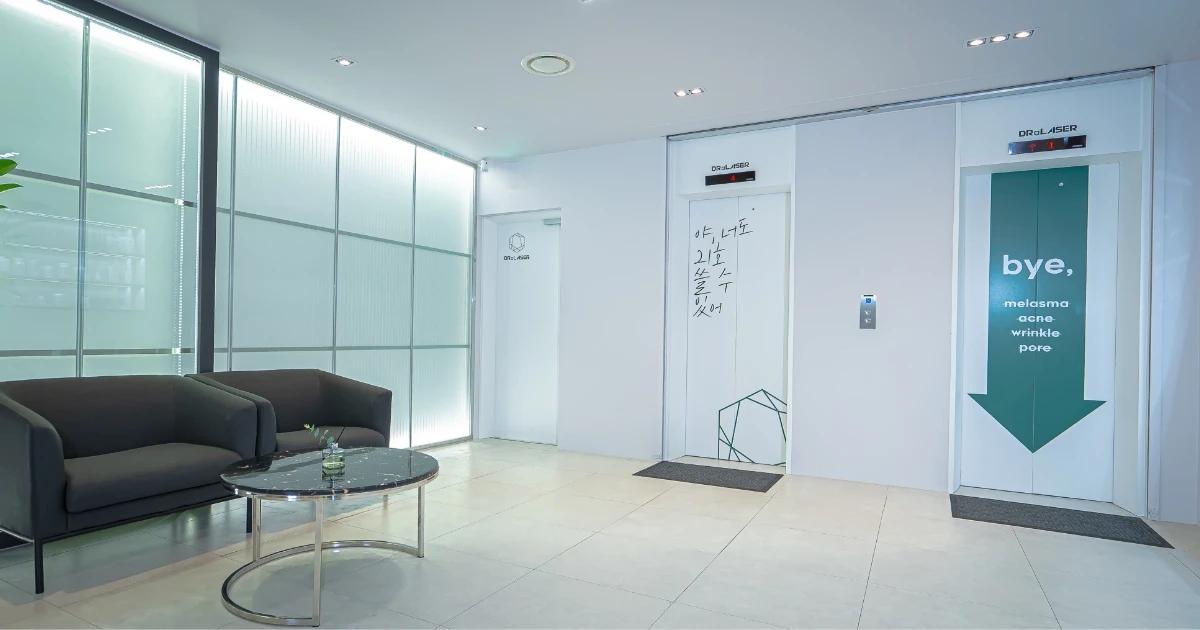
Dr. E-Laser Dermatology is a laser-focused dermatology practice in Cheongdam, Seoul. With melasma in particular, the value of a doctor-led approach is restraint: the discipline to diagnose precisely, build the topical and protective foundation first, and use laser conservatively only where it earns its place. The technology matters. The judgement of when not to reach for it matters more.
Our English-speaking coordinators support you from the first message through aftercare. The consultation remains doctor-led, with coordinator support available to help communication feel clear and comfortable. You can reach us on WhatsApp.
Pricing and consultation
Melasma treatment is planned around your skin: the topical regimen, whether laser is appropriate at all, and how many sessions are sensible. Pricing is shared during your consultation rather than as a single fixed figure, so the plan reflects what your skin actually needs.
Frequently asked questions
Is melasma a one-time treatment?
No. Melasma is a chronic, recurring pigment condition. It can often be managed well, but it usually requires sun protection, topical treatment, cautious laser where appropriate, and maintenance over time.
Will laser remove my melasma?
Laser does not work on melasma the way it can work on a discrete sun spot. For melasma, gentle laser toning is one part of a wider plan, used to ease pigment gradually. Laser on its own, especially at high energy, can make melasma worse.
Is laser toning suitable for melasma?
When the diagnosis is correct and the settings are conservative, low-fluence laser toning and picosecond lasers can be useful for melasma. The risk comes from aggressive energy or treating melasma as ordinary sun damage.
How many sessions will I need, and when will I see results?
Melasma is treated as a course rather than a single appointment, with sessions spaced a few weeks apart alongside your topical plan. Improvement is gradual and assessed over months. Your doctor will tailor the number of sessions to your skin and how it responds.
Can melasma return?
Yes. Melasma is prone to recurrence, and sun exposure or hormonal changes can prompt it to return. Ongoing sun protection and occasional maintenance are part of keeping it under control.
I am pregnant. Can I treat my melasma now?
Pregnancy and breastfeeding are common reasons to postpone certain treatments. Diligent sun protection remains safe and worthwhile in the meantime, and a fuller plan can begin afterwards. Your doctor will advise on timing.
What is the difference between melasma and sun spots?
Sun spots are discrete, well-defined marks from cumulative UV exposure and often respond more directly to targeted treatment. Melasma is symmetrical, soft-edged, hormone- and heat-sensitive, and far more cautious to treat. Telling them apart correctly is the first step.
How is the consultation supported in English?
English-speaking coordinators help with appointment questions, communication during your consultation, and aftercare instructions. You are welcome to message us on WhatsApp before your visit.
About the doctor
Dr. Kwangsuk Suh is a board-certified dermatologist and the medical director of Dr. E-Laser Dermatology. He is an adjunct clinical professor of dermatology at Kyung Hee University and Sungkyunkwan University colleges of medicine, and an active member of the Korean Association of Dermatologists, the Korean Association of Clinical Dermatologists, the Korean Society of Hair Restoration Surgery, and the Korean Society for Dermatologic and Cosmetic Surgery.
Arrange a consultation
If you would like to know whether your pigmentation is melasma, and what a sensible plan would look like, we are glad to help. Share a photo, ask anything, and arrange a visit with English-speaking coordinator support. Speak with us on WhatsApp.
This article is for general information and is not medical advice. Outcomes vary between individuals, and a diagnosis and treatment plan are confirmed during an in-person consultation.
Medically reviewed by Dr. Kwangsuk Suh, board-certified dermatologist.
To see how this is done at our clinic, read more about our melasma programme.