
Fat-dissolving injections occupy a specific place in Korean dermatology: the small, stubborn pocket of facial fat that diet does not touch and that surgery would be excessive for. In Seoul they are a routine request for jawline definition and double chin refinement. This guide explains what the injections are, what happens at a session, and the limits an honest clinic will tell you about before you book.
What fat-dissolving injections are
The principle is direct. A solution is injected into the fat layer, where it reduces the volume of fat cells in the treated area. The body clears the released material naturally over the following weeks, and the contour refines gradually rather than overnight.
At Dr. E-Laser Dermatology, the treatment used is the PS contour injection, a formulation prepared without steroids. Alongside its effect on the fat layer, the injection is designed to support collagen production in the treated area, which matters because reducing fullness without supporting the overlying skin can trade one problem for another.
Areas commonly treated
Contour injections are a facial treatment at the clinic, used along the jawline for V-line definition, under the chin for double chin fullness, and in the cheeks, under the cheekbones, around the nasolabial area and at the chin tip. In Korea the licensed indication for injectable fat reduction is submental fat, the fullness under the chin. Where injections are considered for other parts of the face, that is a clinical judgement made with you at consultation rather than a licensed indication, and the doctor will tell you which of the two you are being offered.
For body concerns the injection route is not the tool the clinic reaches for. Localised body fat is addressed with Onda, and body skin tightening with XERF. Our body contouring overview explains how those fit together.
What a session is like

The appointment begins with a facial evaluation, since the injection map depends on where your fullness actually sits. Numbing cream is applied, then the doctor places the solution in layers through a series of small injections. The procedure itself is quick, typically a matter of minutes once numbing has taken effect.
Afterwards, swelling or bruising at the injection sites is common and usually improves within two to three days. Gentle cleansing is possible after six hours. For the first few days, avoid alcohol, saunas and intense exercise, and avoid strong facial massage for a week. Because fat clearance is gradual, the visible change develops over weeks, and more than one session is often planned depending on the amount of fullness. The doctor confirms a realistic session plan at consultation rather than promising a number in advance.
If you are weighing injections against energy-based options for your jawline, message us on WhatsApp. Our English-speaking coordination team will arrange a consultation where the doctor assesses which route fits your case.
Honest limits, stated plainly
Three things fat-dissolving injections do not do.
They are not weight loss. The treatment refines a localised contour. It does not change overall body composition, and a clinic that suggests otherwise is overselling.
They do not tighten loose skin. If laxity is driving the softness of your jawline, reducing fat can leave the area looking deflated rather than defined. Laxity calls for energy-based lifting, which is why our double chin guide starts from diagnosis rather than from a device.
They are gradual and case-dependent. Response varies with the amount and depth of fat. Some patients see a clear change after one session, others need a series. Anyone promising a transformation from a single visit is not describing how the biology works.
Patients who are pregnant or breastfeeding are advised to postpone, and any active skin infection in the area means waiting until it clears.
Injections or a device, and how to choose
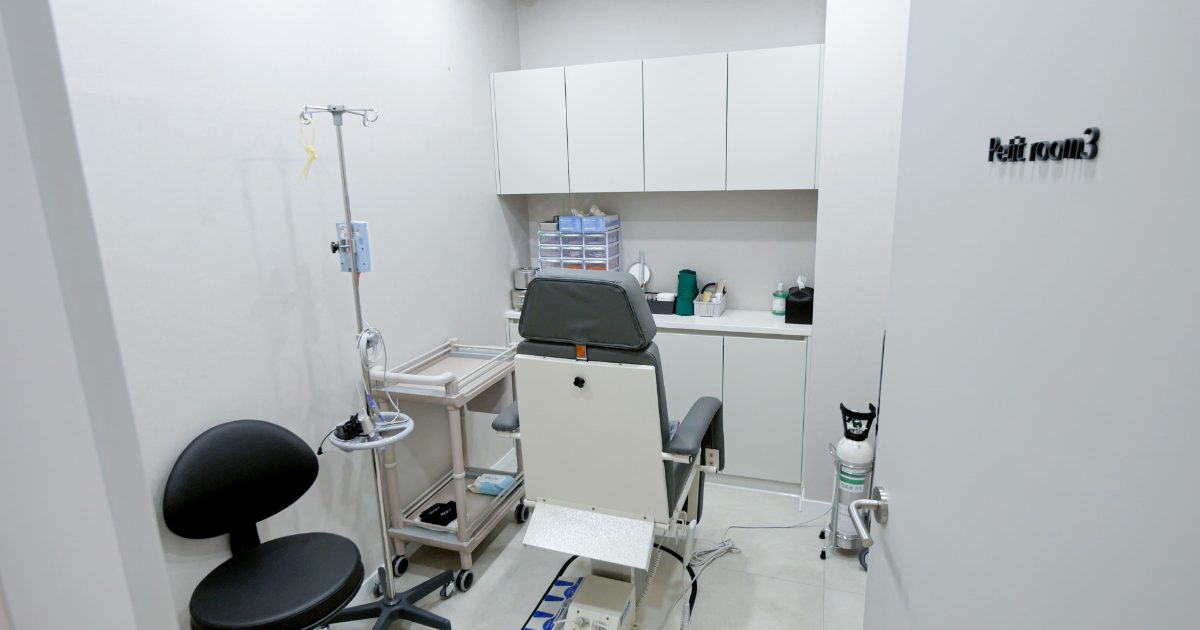
The same pocket of fat can often be treated by injection or by radiofrequency contouring with InMode. Injections place the effect precisely in small zones. Device treatments cover broader areas and add skin tightening at the same time. Muscle bulk is a separate question again, treated with masseter botox rather than either. Most jawlines involve a mix, and the useful decision is made by an examining doctor, not by a comparison chart.
Frequently asked questions
Do the injections hurt?
Numbing cream is applied beforehand, and most patients describe pressure and small stings rather than pain. The area can feel tender and swollen for a few days afterwards.
When will I see results?
The contour typically refines over two to four weeks as the body clears the treated fat, with further definition as any planned series progresses.
Are the results permanent, and how long do they last?
Treated fat cells are reduced, and the change typically holds while your weight remains stable. Significant weight gain can still add volume to the area.
How much time does it need?
Downtime is short and the session itself takes minutes once numbing has taken effect. Because the visible change develops over the following weeks, the clinic follows up by WhatsApp with photo reviews.
Contour injections at Dr. E-Laser Dermatology
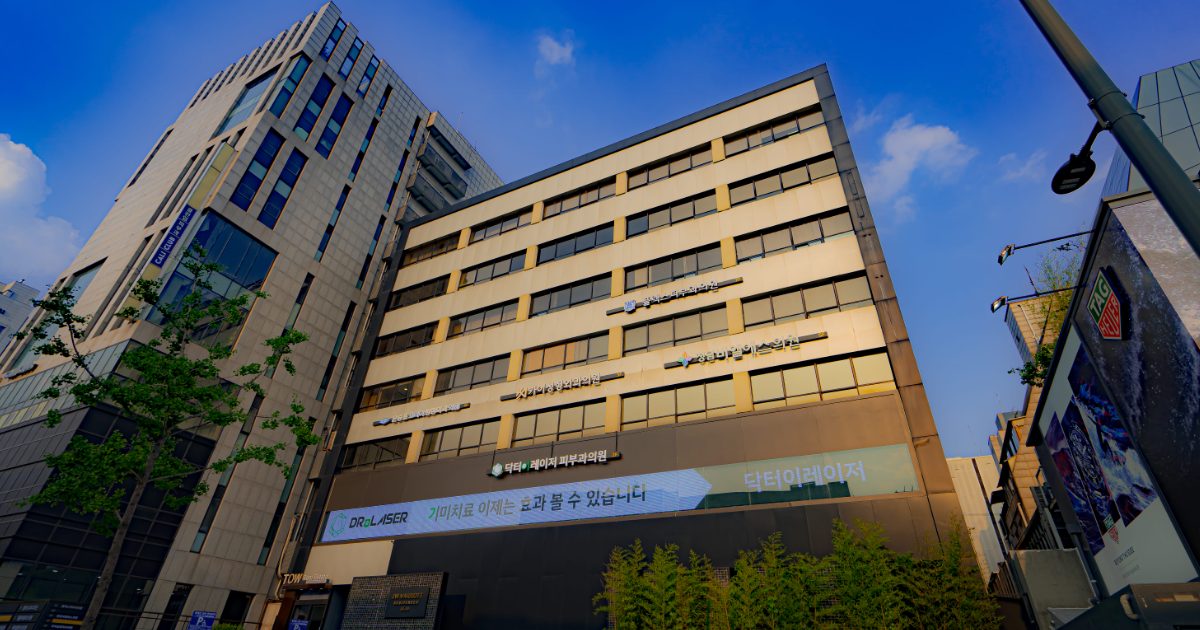
The clinic treats contour injections as medicine, not retail: a doctor evaluates your face, explains whether fat, laxity or muscle is shaping the area, and proposes injections only where they are the right tool. Costs for injectables are covered in our treatment cost guide.
The clinic is located in Cheongdam, Seoul, a short walk from Apgujeong Rodeo Station, and English-speaking coordination is available by phone and WhatsApp from your first enquiry through to post-visit questions.
For the injection we use and how sessions are planned, see our PS contour injection page.
Many treatments can be completed in a single visit. We recommend booking in advance so a time can be secured that suits your schedule. Message us on WhatsApp to plan your visit.
About the Doctor
Dr. Kwangsuk Suh is a board-certified dermatologist and the medical director of Dr. E-Laser Dermatology. He is an adjunct clinical professor of dermatology at Kyung Hee University and Sungkyunkwan University colleges of medicine, and an active member of the Korean Association of Dermatologists, the Korean Association of Clinical Dermatologists, the Korean Society of Hair Restoration Surgery, and the Korean Society for Dermatologic and Cosmetic Surgery.
This article is for general information and is not medical advice. Outcomes vary between individuals, and a diagnosis and treatment plan are confirmed during an in-person consultation.
Medically reviewed by Dr. Kwangsuk Suh, board-certified dermatologist.