
Botox is one of the simplest treatments you can book in Seoul, and one of the easiest to get wrong information about. The injection takes minutes. The judgment behind it, which muscles to treat, at what dose, and for which face, is what separates a natural result from a frozen one. This guide covers how botox works, what is treated at a Seoul dermatology clinic, and how to time it around what you have coming up.
What botox actually does
Botulinum toxin relaxes overactive muscles. When a muscle that repeatedly creases the skin is softened, the crease it creates smooths over the following weeks. That is the whole mechanism, and it explains both the strengths and the limits of the treatment.
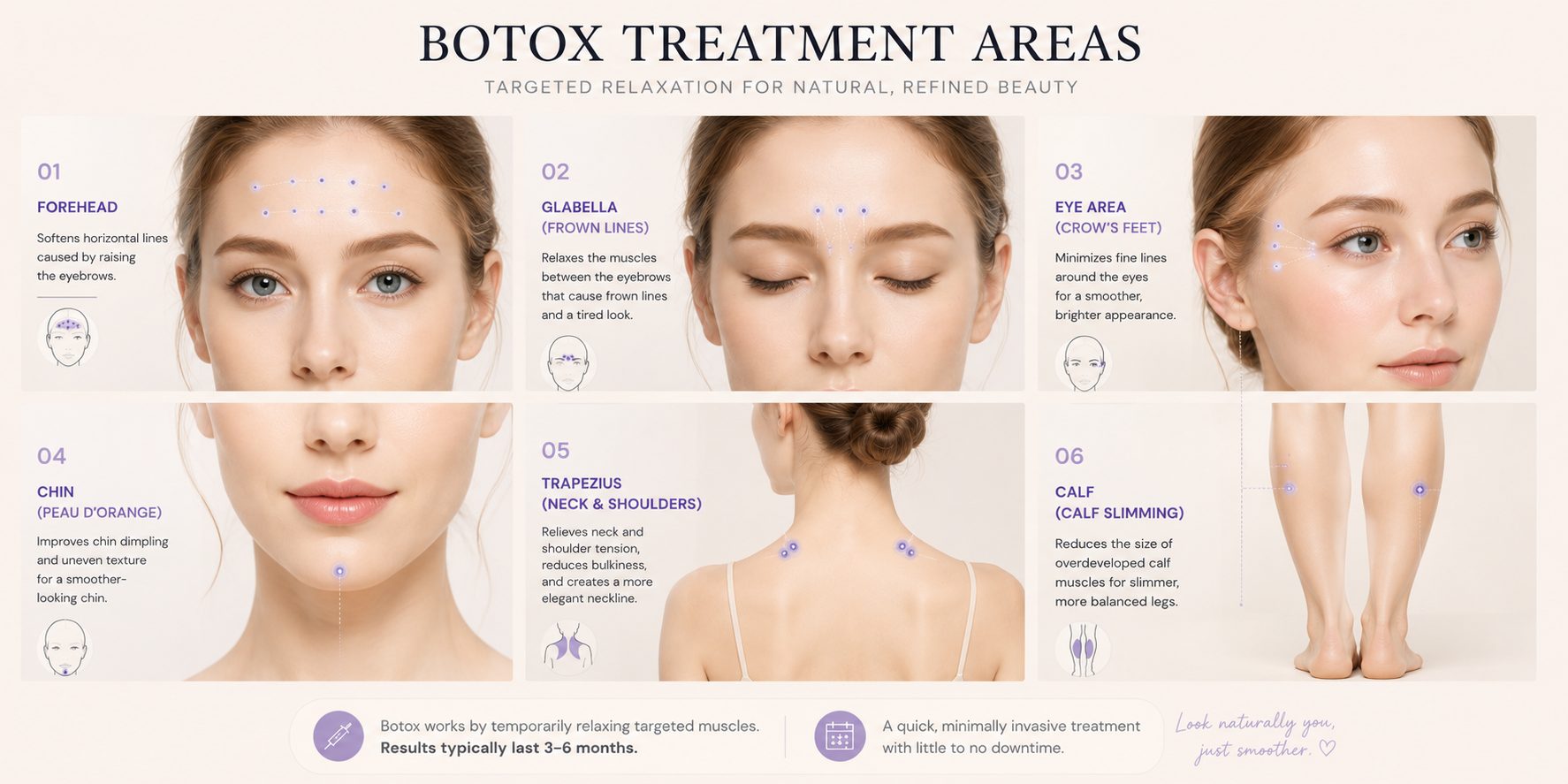
Botox works well on lines caused by movement: forehead lines, frown lines between the brows, and crow’s feet around the eyes. It does not fill volume loss, lift sagging tissue, or erase creases that are etched into the skin at rest. Those concerns belong to dermal filler or energy-based treatments, and a consultation sorts out which is which.
What is treated beyond wrinkles
At Dr. E-Laser Dermatology, botox covers more than facial lines. The clinic’s Dr. E Botox programme includes:
- Masseter (jawline) botox. Relaxing the chewing muscle can slim a square jaw over two to three months. It is one of the treatments we are asked about most.
- Trapezius (shoulder) botox. Softens overdeveloped shoulder muscle, a treatment that became popular in Korea for the neckline it creates.
- Calf contouring botox. The same principle applied to the lower leg.
- Underarm botox. Reduces excessive sweating for months at a time.
- Hands and feet. Treated for the same sweating concern.
In Korea the licensed indications for botulinum toxin differ from product to product. Frown lines and crow’s feet are licensed uses. Jaw, shoulder and calf contouring, and treatment for sweating, fall outside the licensed indication for some products, so the doctor confirms at consultation which of the two applies to your treatment.
Muscle treatments such as masseter and trapezius botox change shape gradually as the muscle reduces, so the result builds over weeks rather than days.
The brands used
The clinic uses Xeomin, Allergan Botox, and Wondertox, a Korean-developed toxin. Which product suits you is discussed at consultation. The honest summary is that injector judgment and dosing matter more to your result than the label on the vial, and the doctor will explain why a particular product is proposed for your case.
What a session is like
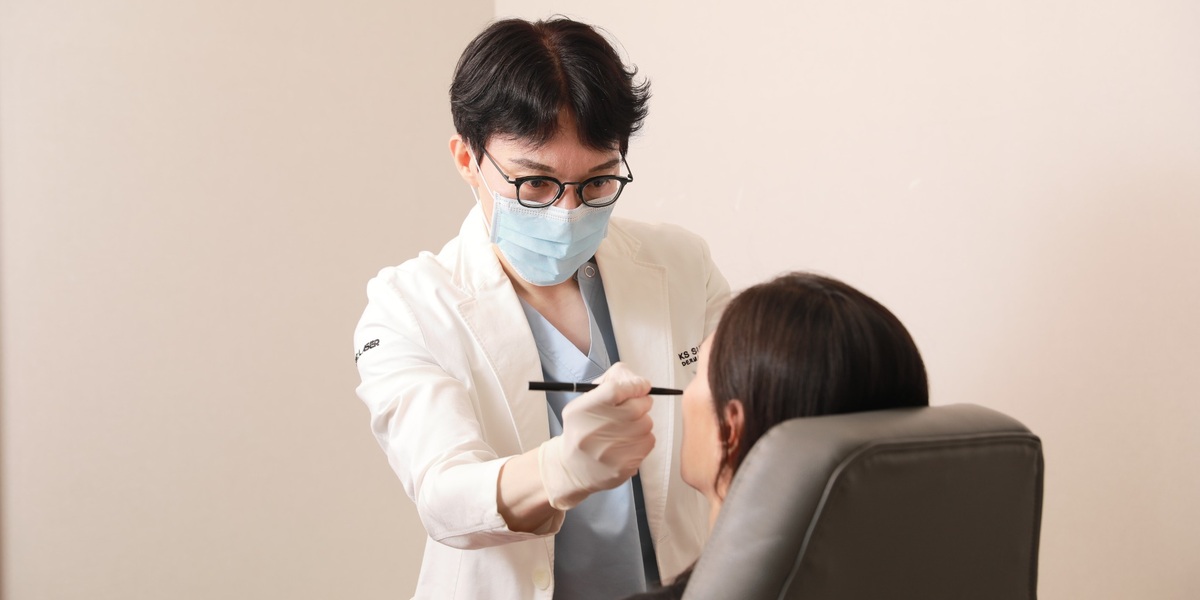
A first appointment starts with a consultation and muscle analysis, since the injection map is designed around how your face actually moves. The injections themselves usually take under ten minutes. Discomfort is brief, closer to a series of small pinches than anything requiring numbing, though numbing cream is available.
Afterwards you can return to your day. Avoid rubbing the treated area, and skip intense exercise, saunas and heat exposure for 48 hours. Mild swelling or small bruises at injection points can occur and typically settle quickly.
Wrinkle botox usually begins to take effect within three to seven days, with the full result visible around two weeks. Effects typically last three to four months, and muscle-slimming treatments often hold longer with repeated sessions.
If you are considering botox, message us on WhatsApp with your preferred dates. Our English-speaking coordination team will arrange a consultation that fits your itinerary.
Who should wait or reconsider
Botox is not for everyone. Patients who are pregnant or breastfeeding are advised to postpone. Anyone with a neuromuscular condition should raise it at consultation. If your main concern is sagging or volume loss rather than movement lines, botox alone will disappoint, and the doctor will say so rather than treat the wrong problem.
One more honest limit: results are temporary by design. Maintaining them means repeat sessions, which is worth factoring in when you plan. Most patients settle into a rhythm of two or three sessions a year.
Timing botox around your schedule
Botox suits a busy schedule well. There is no meaningful downtime and the treatment takes little room in a day. The one thing to plan for is that your final result appears about two weeks later. The clinic reviews results at one to two weeks, and where an in-person review is not practical this happens over WhatsApp with photos.
Costs for injectables are covered in our treatment cost guide, and if this is your first time at a Korean clinic, our first visit guide walks through the whole flow.
Frequently asked questions
How long does botox last?
Wrinkle treatments typically last three to four months. Masseter and other muscle-slimming treatments often maintain their effect longer once a few sessions have built on each other.
When will I see results?
Movement lines begin softening within three to seven days, with the full effect around two weeks. Jaw and shoulder slimming develops more gradually, over two to three months.
Can I fly the same day?
Yes, for most patients. Keep to the standard aftercare, avoid heat and hard exercise for 48 hours, and stay upright for a few hours after injection.
Is botox in Korea safe?
The botulinum toxin products used at Dr. E-Laser Dermatology are licensed in Korea, and treatment is performed by a doctor after an individual consultation. Safety rests on proper assessment and dosing, which is exactly what the consultation is for.
Botox at Dr. E-Laser Dermatology
The clinic’s approach is personalised muscle analysis before any injection, a dose plan explained rather than assumed, and follow-up that continues over WhatsApp. The clinic is located in Cheongdam, Seoul, a short walk from Apgujeong Rodeo Station, with English-speaking coordination available from your first enquiry.
For treatment areas and session details at our clinic, see our Botox page.
Botox pairs naturally with a wider treatment plan, and many visitors combine it with other work in a single visit. We recommend booking in advance so a time can be secured that suits your schedule. Message us on WhatsApp to plan your visit.
About the Doctor
Dr. Kwangsuk Suh is a board-certified dermatologist and the medical director of Dr. E-Laser Dermatology. He is an adjunct clinical professor of dermatology at Kyung Hee University and Sungkyunkwan University colleges of medicine, and an active member of the Korean Association of Dermatologists, the Korean Association of Clinical Dermatologists, the Korean Society of Hair Restoration Surgery, and the Korean Society for Dermatologic and Cosmetic Surgery.
This article is for general information and is not medical advice. Outcomes vary between individuals, and a diagnosis and treatment plan are confirmed during an in-person consultation.
Medically reviewed by Dr. Kwangsuk Suh, board-certified dermatologist.