Updated October 2026.
Medically reviewed by Dr. Kwangsuk Suh, board-certified dermatologist.
ONDA is a non-surgical body and skin treatment that has become popular in Korea for reducing stubborn fat, softening cellulite, and firming skin, all without needles or real downtime. International patients often ask about ONDA lifting when they want to refine a specific area rather than have surgery.
This guide explains what ONDA is, how Coolwaves works, and who it suits. It is written for international patients, and our coordinators can help with appointment questions.
What ONDA Is
ONDA uses a technology called Coolwaves (a specific form of microwave energy) to reach the fat layer beneath the skin while protecting the surface. It is used for two connected goals: reducing pockets of localised fat, and tightening and smoothing the skin above, including the dimpled appearance of cellulite. That combination is why it is often described as an ONDA lifting treatment as much as a fat-reduction one.
How Coolwaves Works
The Coolwaves energy is absorbed by fat cells and heats them selectively, disrupting them so the body clears them gradually over the following weeks. The same controlled heat stimulates collagen in the skin, which supports a firmer, smoother result and can improve the look of cellulite. Because the surface is protected throughout, ONDA works without incisions or needles.
What ONDA Treats
ONDA is most often used for stubborn, localised fat on the abdomen, flanks, thighs, arms, and under the chin, for the appearance of cellulite, and for mild skin laxity where firming is wanted alongside fat reduction. It is a tool for contouring and refining specific areas.
The honest point first: ONDA is not weight loss. It reduces localised fat and tightens skin; it does not lower your overall weight and is not a treatment for obesity. It is at its best near your target weight, on areas that resist diet and exercise. Our body contouring guide sets out the wider picture.
What a Session Is Like, and What to Expect
An ONDA session is non-invasive and comfortable for most patients, felt as a warmth over the treated area, with most returning to normal activity the same day. Results are gradual, the body needs time to clear the treated fat and to build the collagen behind any tightening, so ONDA is usually planned as a course, with the change developing over weeks to months. A steady diet and activity level help maintain the result.
ONDA Side Effects, and How the Number of Sessions Is Decided
ONDA delivers microwave energy at 2.45 GHz to the fat layer and the dermis through a cooled handpiece, so the surface is protected while the tissue beneath is heated. The reactions that can follow are described in a 2024 paper setting out the recommendations of the international advisory board for the Onda Coolwaves device, published in the journal Bioengineering, which covers treatment of the body and of the area under the chin. That paper lists mild side effects at the treatment area, in its words itching, numbness, hardness, warmth, tenderness, redness, swelling, burns, bruising, nodules and blisters, and states that they are typically temporary and usually resolve within a few days following treatment. It adds that nodules are considered typical for fat treatments and have been reported to resolve, on average, within 78 days, and notes that in very rare cases they may not resolve. How long any of these last varies between individuals, and whether any are likely for you is decided at the clinic after an in-person examination.
The same paper’s main contraindications include heart failure, pacemakers and other heart implants, a current malignancy or one within the past five years, severe vascular disease, an organ transplant, pregnancy or breastfeeding, infectious diseases such as hepatitis B and C, kidney or liver failure, decompensated diabetes and implanted nerve stimulators, and it lists anticoagulant use, skin disease in the area, autoimmune disease, a body mass index above 30, varicose veins and fibrotic tissue among the relative contraindications that may lead to treatment being postponed or not done. If any of these apply to you, say so at the consultation, because they change whether ONDA is planned at all and, if it is, at what settings.
On the number of sessions, the published body protocol in that paper is four sessions per area, about four weeks apart, and a one-year follow-up study of 34 patients treated on the body used the same four-session, four-week schedule. Those figures describe body areas of roughly 500 square centimetres. The face is planned differently. At Dr. E-Laser the 3 mm handpiece is used for firmness in areas such as the cheeks, jawline and around the eyes, and the 7 mm handpiece for fat under the chin. A facial session takes about 20 minutes, cleansing and makeup are possible straight afterwards, and the clinic’s usual plan for the face is a course of about three sessions roughly four weeks apart, adjusted at the consultation to how much of the concern is fat and how much is laxity. Temporary redness, warmth, swelling or discomfort can follow a facial session, to a degree that varies between individuals. Results build gradually as the body clears treated fat and lays down collagen, which is why the plan is reviewed over the course rather than fixed on the first day.
ONDA for the Jawline and Double Chin: 3 mm and 7 mm Handpieces by Area
On the face, ONDA is planned around two handpieces rather than one setting. The 3 mm handpiece delivers energy mainly to the dermis, where it stimulates collagen and strengthens elastic fibres; it refines texture and is the one used for delicate areas such as around the eyes, the cheeks and the jawline when firmness is the concern. The 7 mm handpiece reaches the subcutaneous fat layer and disrupts fat cells selectively; it is used where fullness is the problem, under the chin, around the nasolabial folds and in the cheeks, for a slimming and lifting effect together.
Many lower-face cases involve both, a jawline blurred by an uneven fat layer and skin above it that has lost some firmness, which is why the consultation starts by separating how much of the concern is fat and how much is laxity. That split decides which handpiece leads, which areas are included and how the course is planned. Where the picture is laxity alone, or fat alone with firm skin above it, a different device may be the better fit, and the doctor will say so.
Who It Suits
ONDA body contouring suits people near their target weight who want to refine a stubborn area, soften cellulite, or firm loose skin without surgery, not those seeking significant weight loss. An honest consultation will tell you whether it fits your goals. If facial ageing is your main concern rather than body contouring, our guide to anti-aging treatments in Korea maps the facial options decade by decade.
Curious whether ONDA suits your goals? Share your concern and our English-speaking coordinators will help you plan. Speak with us on WhatsApp.
ONDA at Dr. E-Laser Dermatology
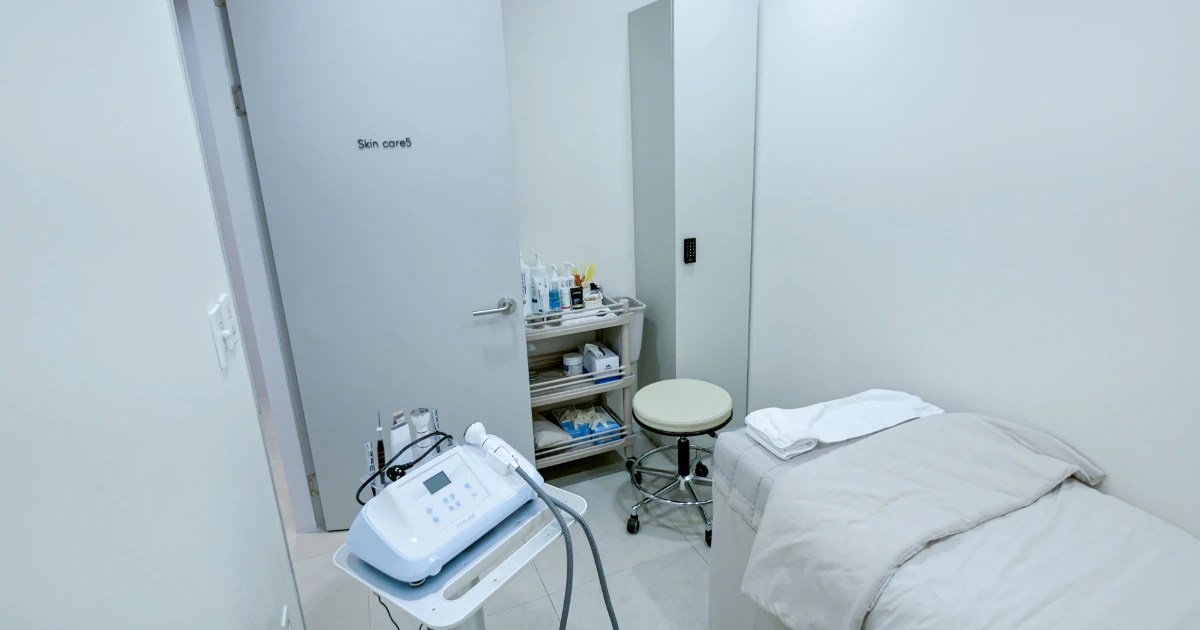
Dr. E-Laser Dermatology is a doctor-led dermatology and laser practice in Cheongdam, Seoul, one minute from Apgujeong Rodeo Station. For body treatments, the doctor-led value is honesty and matching, assessing whether ONDA genuinely suits your body and goals, and planning the right areas and course rather than promising more than it can deliver.
Our coordinators and staff support you in English, from the first message through the consultation with the doctor to aftercare. Our guide to finding an English-speaking dermatologist in Seoul explains the wider process. Enquiries can be made on WhatsApp.
Pricing and Consultation
Because a plan depends on the areas and the number of sessions, pricing is shared during your consultation rather than as a single fixed figure.
Frequently Asked Questions
What is ONDA lifting?
A non-surgical treatment using Coolwaves microwave energy to reduce localised fat, soften cellulite, and tighten skin. It refines specific areas without needles or incisions.
Is ONDA the same as weight loss?
No. ONDA reduces localised, stubborn fat and firms skin. It does not lower your overall weight and is not a treatment for obesity; it works best near your target weight.
Is there downtime?
Generally minimal, most patients return to normal activity the same day, sometimes with mild redness or tenderness in the treated area.
When will I see results, and how long do they last?
Results are gradual as the body clears the treated fat, developing over weeks to months. A steady diet and activity level help maintain the improvement.
What are the side effects of ONDA?
A 2024 advisory board paper on the Onda Coolwaves device, covering the body and the area under the chin, lists itching, numbness, hardness, warmth, tenderness, redness, swelling, burns, bruising, nodules and blisters at the treatment area as mild side effects, and states that they are typically temporary and usually resolve within a few days. It adds that nodules have been reported to resolve on average within 78 days, and in very rare cases may not resolve. How long any of these last varies between individuals, and whether any apply to you is decided at the clinic after an in-person examination.
How many ONDA sessions will I need?
The body protocol published by the Onda Coolwaves international advisory board is four sessions per area, about four weeks apart. For the face, the clinic usually plans about three sessions roughly four weeks apart, each taking about 20 minutes, and adjusts the number at the consultation depending on how much of the concern is fat and how much is skin laxity.
Is support available in English?
Yes. Our English-speaking coordinators support you from the first message through the consultation to aftercare, and you are welcome to message us on WhatsApp beforehand.
About the Doctor
Dr. Kwangsuk Suh is a board-certified dermatologist and the medical director of Dr. E-Laser Dermatology. He is an adjunct clinical professor of dermatology at Kyung Hee University and Sungkyunkwan University colleges of medicine, and an active member of the Korean Association of Dermatologists, the Korean Association of Clinical Dermatologists, the Korean Society of Hair Restoration Surgery, and the Korean Society for Dermatologic and Cosmetic Surgery.
Arrange a Consultation
If you would like to know whether ONDA suits your goals, we are glad to help. Share your concern, ask anything, and our English-speaking coordinators will arrange a private consultation. Speak with us on WhatsApp.
This article is for general information and is not medical advice. Outcomes vary between individuals, and a diagnosis and treatment plan are confirmed during an in-person consultation.
Medically reviewed by Dr. Kwangsuk Suh, board-certified dermatologist.