Medically reviewed by Dr. Kwangsuk Suh, board-certified dermatologist.
Acne scars are one of the most common reasons international patients come to Seoul for treatment, and most arrive having already tried a great deal. Creams, peels, home microneedling, sometimes a laser or two that did not quite deliver. The honest starting point is this: scars can improve meaningfully, but the right approach depends entirely on the kind of scar you have.
Below we walk through the main scar types, how laser works on each, what a realistic course looks like, and when we would reach for subcision or a gentler option instead. The aim is for you to arrive at a consultation already knowing the right questions to ask.
First, what kind of acne scar do you have?
It sounds like a technicality, but it is the whole game. Most people use the phrase acne scars to cover several different things, and they do not all respond to the same treatment.
- Ice-pick scars – small, deep, narrow pits, as though the skin was pricked with a fine needle.
- Boxcar scars – wider depressions with sharper edges, often across the cheeks.
- Rolling scars – shallow, broad dips that give the skin a soft, wavy unevenness.
- Post-inflammatory marks – flat red or brown spots left after a breakout. These are not true scars, and they often fade or respond to gentler treatment.
Most people have a mix. A good part of any consultation is simply working out which of these you are actually dealing with, because that decides everything that follows.
How laser treats acne scars
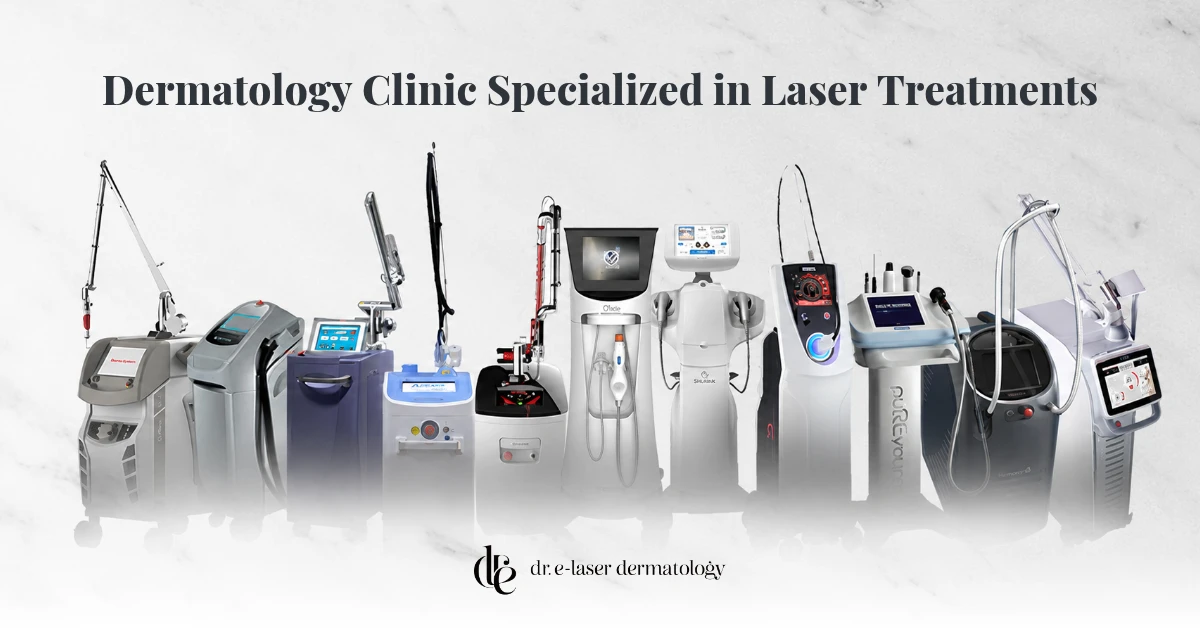
Lasers work by creating tiny, controlled zones of injury in the skin, which prompt it to rebuild with fresh collagen. A fractional laser does this in microscopic columns and leaves healthy skin in between to speed healing. A CO2 fractional laser, the type most associated with scar resurfacing, reaches deeper and tends to suit boxcar and rolling scars as well as general texture. Gentler, non-ablative lasers do less in a single session but ask for less downtime, which sometimes fits a travel schedule better. You may see these marketed under brand names such as Fraxel; what matters is the type of laser and how it is set for your skin, not the label.
None of this is a single-pass fix. Scar revision by laser is a course, and the skin keeps remodelling for months after each session.
Why settings matter more than the machine
This is where experience matters. The same laser can give a clean improvement or leave a mark, depending on how it is set for your skin. On deeper or tanned skin tones especially, settings that are too aggressive can trigger post-inflammatory pigmentation, the very thing you came to avoid. A doctor who tailors energy, depth, and density to your skin, and who knows when to ease off, matters far more than the brand name on the device.
What a session is like
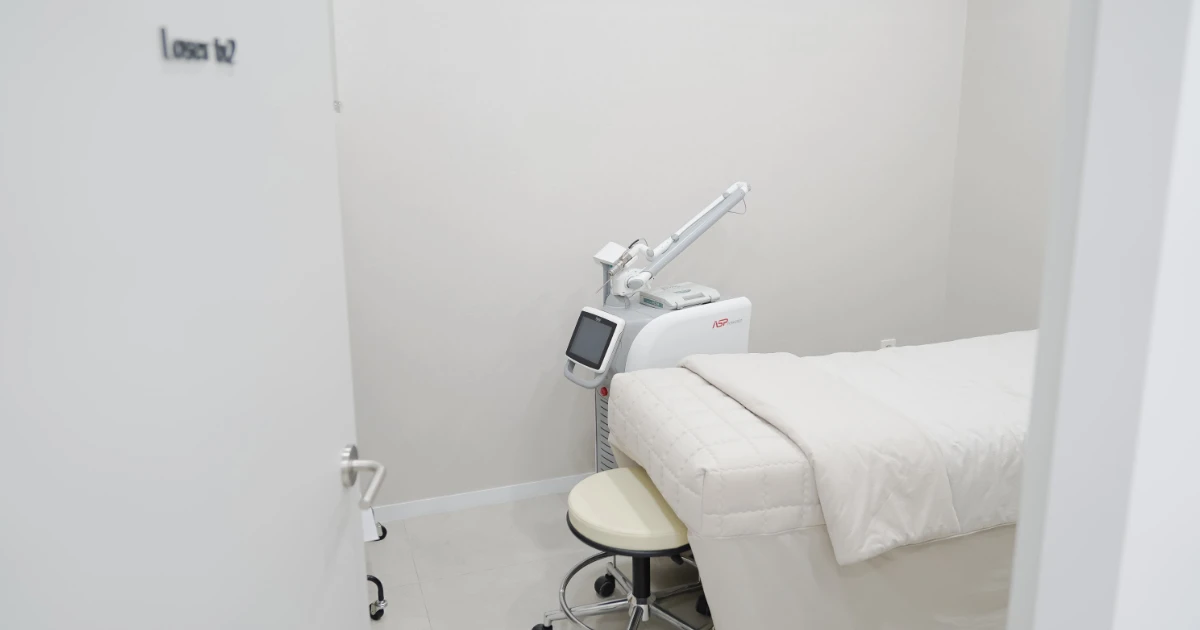
We start with a proper look at your skin and a plan matched to your scar types. Numbing cream goes on for around thirty to forty-five minutes for comfort. The treatment itself usually takes twenty to thirty minutes. Most scar courses run to three to five sessions spaced four to six weeks apart, with visible improvement often developing gradually through the course. Your doctor will be clear about how many sessions your scars are likely to need.
Downtime and aftercare
Laser resurfacing asks for more downtime than a booster or RF microneedling, and it is worth planning around. Expect redness and a sandpaper-like texture for several days, sometimes light peeling, and a real need for sun protection while the skin settles. We will give you aftercare matched to your skin and your travel dates, so you are not caught out the day before a flight.
Laser, subcision, RF and boosters: matching the tool to the scar
Few scars are treated best with a single tool, which is why combination planning is common. As a rough guide:
- Deep ice-pick and sharp boxcar scars may need a resurfacing laser, and sometimes minor surgical techniques such as subcision or punch methods to release tethered scars.
- Rolling scars and general texture often respond well to RF microneedling such as Potenza.
- Once the scars themselves are improved, a collagen booster can help refine overall skin quality and firmness.
The sequence matters as much as the tools, and that is exactly what a consultation is for.
Is laser acne-scar treatment right for you?
It suits people whose breakouts are under control and who are ready for a short course rather than a one-and-done fix. If your acne is still active and inflamed, we usually settle that first, because treating scars over live acne tends to disappoint. A realistic word: good scar treatment can make a meaningful improvement, but making scars disappear entirely is rarely realistic. Anyone promising a flawless result from one visit is setting the wrong expectation.
Not sure which treatment your scars actually need? Send us a photo; our English-speaking team can help with appointment questions and communication support for your consultation. Book a consultation on WhatsApp.
Why international patients choose Dr. E-Laser Dermatology
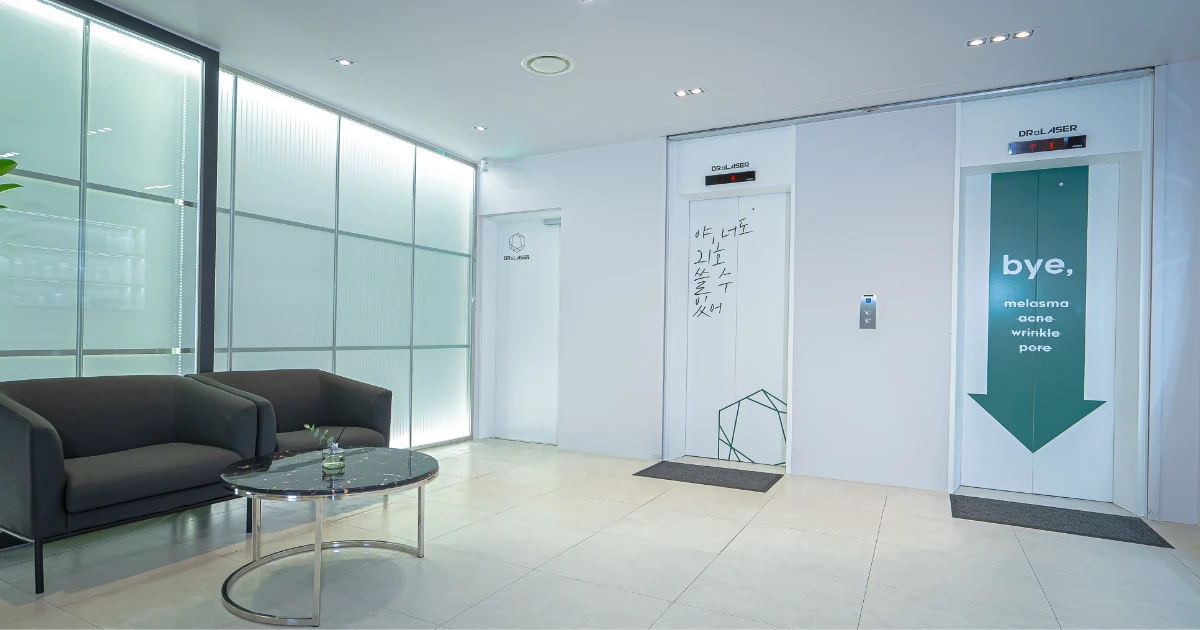
Acne scars are exactly the kind of problem that rewards careful assessment. Dr. E-Laser Dermatology is a laser-focused clinic in Apgujeong Rodeo, where treatment is planned by a doctor and adjusted to individual skin rather than run as a fixed protocol.
Our English-speaking coordinators support you from the first message through aftercare. The consultation remains doctor-led, with coordinator support available to help communication feel clear and comfortable. You can reach us on WhatsApp. Our guide to finding an English-speaking dermatologist in Seoul explains the wider process.
Pricing
Scar treatment is always individual, so the number of sessions and the right combination differ from person to person. For that reason we set out pricing during your consultation, once we have seen your skin and agreed a plan.
Frequently asked questions
How many sessions will I need?
Most scar courses run to about three to five sessions, four to six weeks apart, with the skin continuing to improve between them. Your doctor will give you a realistic number after seeing your scars.
Does laser scar treatment hurt?
Numbing cream goes on first, so most patients find it manageable. You may feel heat and a prickling sensation during treatment, and the skin feels warm afterwards, a little like sunburn.
How much downtime is there?
Usually several days of redness and a rough, sandpaper-like texture, sometimes light peeling. It is worth leaving a buffer before a flight or a big event.
Is laser safe for darker or tanned skin?
It can be considered, but it has to be handled carefully. On richer skin tones the settings are adjusted to lower the risk of pigmentation, and sometimes a gentler laser or RF microneedling is the safer choice. This is exactly the kind of call a consultation is for.
Will laser make my acne scars disappear?
Usually not completely. Laser can improve acne scars meaningfully, but the honest goal is visible, lasting improvement rather than perfect removal. We will tell you what to expect for your skin.
Laser or subcision for my scars?
It depends on the scar. Sharp, tethered scars may need subcision to release them before or alongside laser. We will map this out at the consultation.
How is the consultation supported in English?
English-speaking coordinators help with appointment questions, communication during your consultation, and aftercare instructions. You are welcome to message us on WhatsApp before your visit.
About the doctor
Dr. Kwangsuk Suh is a board-certified dermatologist and the medical director of Dr. E-Laser Dermatology. He is an adjunct clinical professor of dermatology at Kyung Hee University and Sungkyunkwan University colleges of medicine, and an active member of the Korean Association of Dermatologists, the Korean Association of Clinical Dermatologists, the Korean Society of Hair Restoration Surgery, and the Korean Society for Dermatologic and Cosmetic Surgery.
Arrange a consultation
If you would like to know which approach actually suits your scars, we are glad to help. Send a photo, ask anything, and arrange a visit with English-speaking coordinator support. Speak with us on WhatsApp.
This article is for general information and is not medical advice. Outcomes vary between individuals, and a diagnosis and treatment plan are confirmed during an in-person consultation.
Medically reviewed by Dr. Kwangsuk Suh, board-certified dermatologist.
To see how this is done at our clinic, read more about our acne scar and pigmentation treatment.