
Medically reviewed by Dr. Kwangsuk Suh, board-certified dermatologist.
Pigmentation treatment in Seoul typically combines laser toning, pico laser sessions, prescription topicals, and strict sun protection, chosen according to the type of pigmentation. Diagnosis comes first, because melasma, sun spots, freckles, and post-inflammatory marks respond to different treatments, and the wrong laser can make melasma worse. Most plans run over several sessions, with gradual fading rather than instant removal.
There is a structural reason pigmentation care is well developed here: Korean dermatology treats pigment at high volume, across a wide range of skin tones, and clinics commonly run several laser platforms side by side. This guide explains the main pigmentation types, the treatments used for each, and the timelines that are realistic to expect.
First, identify what kind of pigmentation you have
Brown marks are not one condition. Treatment success depends on getting this classification right, which is why the consultation matters more than the device.
Melasma
Melasma appears as soft-edged, symmetrical patches, most often on the cheeks, forehead, or upper lip. It is driven by a combination of UV exposure, heat, hormones, and genetics, and it behaves differently from other pigmentation: aggressive laser treatment can darken it. Melasma is managed rather than cured, and management works. For a dedicated guide, see our post on melasma treatment in Seoul.
Sun spots (solar lentigines)
Sun spots are discrete, well-defined marks on sun-exposed areas such as the cheeks, temples, and hands. They accumulate with cumulative UV exposure, which is why they are more common from the late 30s onward. Of all pigmentation types, sun spots respond most directly to laser treatment, sometimes in as little as one to two sessions.
Freckles
Freckles are small, genetically influenced spots that darken with sun exposure. They respond well to toning and pico lasers, though they can gradually return with unprotected UV exposure, so maintenance and sunscreen carry the long-term result.
Post-inflammatory hyperpigmentation (PIH)
PIH is the mark left after inflammation: an acne lesion, a burn, or an aggressive procedure. It is especially common in medium and deeper skin tones. Much of it fades on its own over months, and treatment focuses on accelerating that fade gently rather than forcing it. If your pigmentation traces back to breakouts, treating the acne itself comes first; see our guide to acne treatment in Seoul.
Why diagnosis decides everything
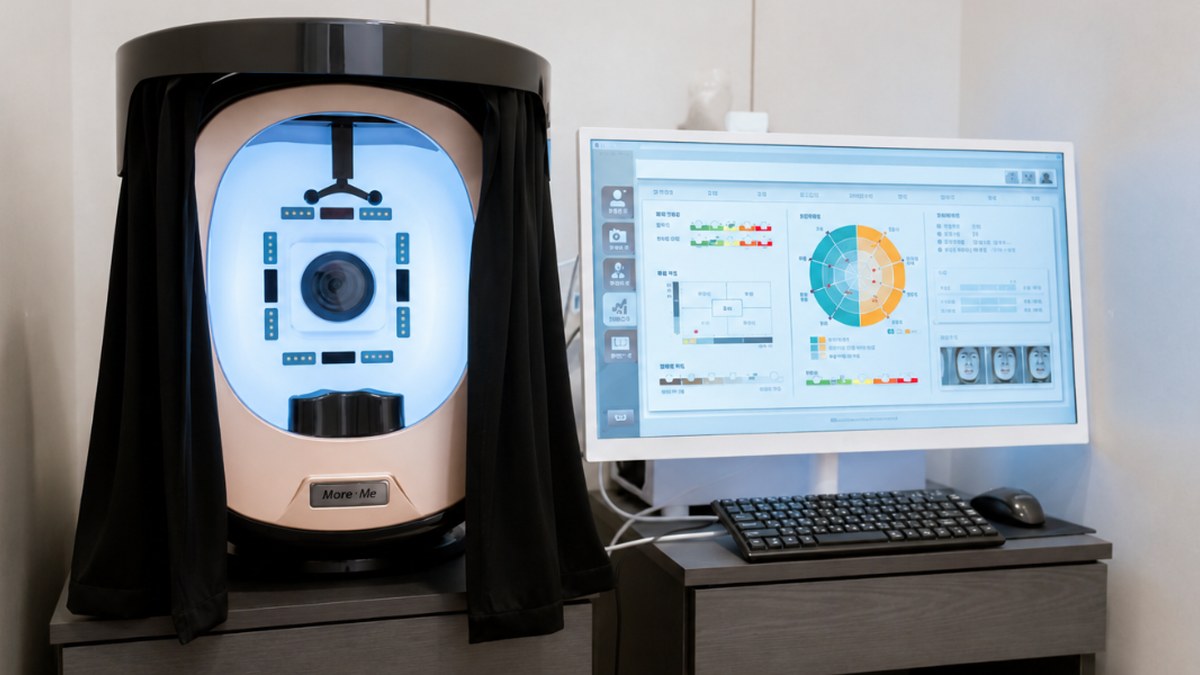
Two patients can point at similar brown patches and need opposite plans. A sun spot tolerates focused, higher-energy laser work. Melasma treated the same way can rebound darker within weeks. Mixed cases, where melasma overlaps sun spots or PIH, are common and require sequencing: which pigment gets treated first, at what energy, and what gets left alone.
This is the main reason we suggest choosing the doctor before choosing the device. A dermatologist who examines your skin, asks about hormones, medication, and sun habits, and explains which type you have is giving you the actual treatment plan. The laser is downstream of that. Our guide to choosing a dermatology clinic in Seoul covers how to evaluate this in a consultation.
Pigmentation treatment options in Seoul
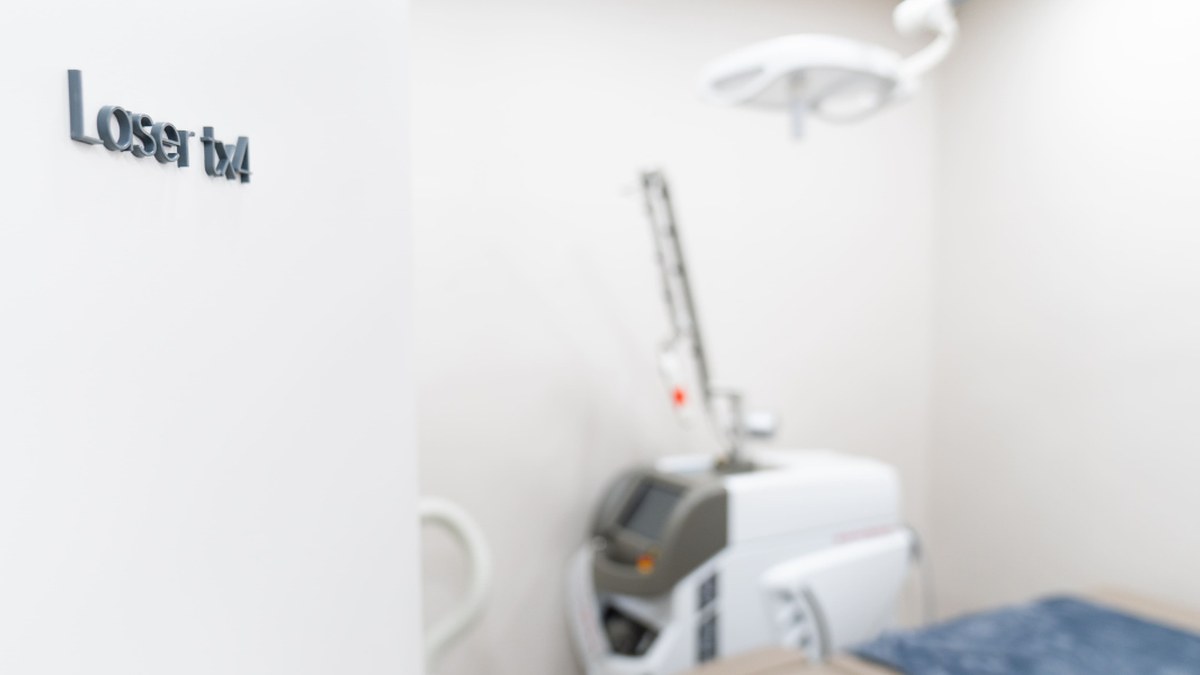
Laser toning
Laser toning uses many low-energy passes of a Q-switched or similar laser to break pigment down gradually. It is the workhorse for melasma and diffuse uneven tone precisely because it is gentle: low energy avoids the inflammation that makes melasma rebound. Toning is planned as a series, commonly five to ten sessions spaced two to four weeks apart, and sessions take around 15 to 20 minutes with little to no downtime.
Pico laser
Pico lasers deliver energy in picosecond pulses, shattering pigment into finer particles with less heat spread. They are typically used for sun spots, freckles, and stubborn residual pigment, and many clinics combine pico work with toning in one plan. Downtime is modest: discrete spots may darken and flake for several days before fading. Our guide to pico laser in Seoul covers the mechanism and session experience in detail.
Prescription topicals and oral medication
For melasma in particular, medical management carries a large share of the result. Dermatologists may prescribe topical lightening agents, and in suitable cases oral tranexamic acid, alongside or before laser work. These are prescription decisions made on your medical history; they are mentioned here so you know a good pigmentation plan is rarely laser-only.
Sun protection as treatment, not advice
Every pigmentation type in this guide is driven or worsened by UV. Daily broad-spectrum sunscreen is part of the protocol itself, and skipping it is the most common reason results fade. For melasma, heat matters too: saunas and hot yoga can provoke it, which surprises many patients.
Combination plans
Most real-world plans combine the above: toning for the diffuse background, pico for discrete spots, topicals for melasma control, and sunscreen throughout. Combination is normal; what should always be explained is why each element is there for your skin.
What results and timelines are realistic
Honest expectations, briefly:
- Sun spots and freckles: often visibly lighter within one to three sessions, with some spots clearing in a single treatment. Treated spots can crust briefly before fading.
- Diffuse tone and melasma: gradual lightening over a series, with many patients seeing meaningful change after two to three months of consistent treatment. Melasma can return with sun, heat, or hormonal shifts, so plans include maintenance.
- PIH: improvement builds over months, and patience genuinely outperforms aggression here.
Response varies between individuals, and the timelines above are general expectations rather than a predicted outcome for your skin. No clinic can honestly promise permanent removal of melasma. What a good clinic offers is a plan that works to fade pigment, control recurrence, and avoid trading short-term brightening for a rebound.
Pigmentation treatment for darker skin tones
Medium and deeper skin tones are treated routinely, but device choice and energy settings matter more, because the same pigment-targeting energy also sees pigment in surrounding skin. Ask your clinic directly about experience with your skin tone and which devices they select for it. We cover this in depth in our guide to laser treatment for darker skin.
Pigmentation and melasma care at Dr. E-Laser Dermatology

Pigmentation is a signature focus at Dr. E-Laser Dermatology in Cheongdam, Seoul. The clinic runs a dedicated melasma program built on the combination approach described above: diagnosis first, low-energy laser toning, medical management where appropriate, and recurrence control. Details of the program are on our melasma program page. Consultations for international patients are available, and it is reasonable to bring photographs of how your pigmentation has changed over time; they genuinely help diagnosis.
For the other pigmentation treatments we offer, see our pigmentation treatment page.
Frequently asked questions
Can melasma be removed permanently?
No treatment removes melasma permanently, and claims otherwise are a warning sign. Melasma is a chronic, recurrence-prone condition driven by UV, heat, and hormones. With a combination of laser toning, prescription management, and daily sun protection, it can often be faded considerably and kept under control with maintenance, though the degree of improvement varies between individuals.
How many sessions does pigmentation treatment take in Seoul?
Discrete sun spots may clear in one to three sessions. Diffuse pigmentation and melasma are usually planned as five to ten toning sessions spaced two to four weeks apart, then reassessed. Your dermatologist should explain the planned number and the checkpoint at which the plan gets reviewed.
Does pigmentation come back after laser treatment?
It can, depending on type. A cleared sun spot may stay clear for years with sun protection, while melasma tends to recur without maintenance. Recurrence is managed with sunscreen, periodic touch-up sessions, and, for melasma, ongoing medical management as advised by your doctor.
Is laser treatment safe for melasma?
Laser is used routinely for melasma, but only with the right modality and settings, typically low-energy laser toning rather than aggressive spot treatment. High-energy treatment of melasma can worsen it, and suitability and side effects should be assessed for your skin before any session. This is the single strongest reason to have melasma diagnosed and treated by a dermatologist experienced with pigment.
What is the cost of pigmentation treatment in Seoul?
Costs vary with the pigmentation type, the devices used, and the number of sessions, so quotes follow diagnosis. See our guide to skin treatment costs in Seoul for the pricing structure. Confirm exact costs in consultation.
If you are unsure which type of pigmentation you have, that is exactly what a consultation is for. Dr. E-Laser Dermatology can be reached by WhatsApp to arrange an English consultation in Cheongdam, Seoul.