Medically reviewed by Dr. Kwangsuk Suh, board-certified dermatologist.
A dermatology clinic in Seoul is a doctor-led medical clinic treating both skin conditions and aesthetic concerns, from acne and pigmentation to laser lifting. Seoul has one of the highest densities of dermatology clinics of any city, concentrated in districts such as Apgujeong, Cheongdam, and Gangnam. Choosing well comes down to verifying the doctor's credentials, matching the clinic's strengths to your concern, and checking how the clinic communicates.
The density is the problem as much as the benefit. When hundreds of clinics list the same devices, the menu stops being useful as a filter. This guide gives you filters that actually separate clinics, plus a map from common concerns to the treatments worth reading about first.
What to look for in a Seoul dermatology clinic
Board certification comes first
In Korea, any licensed physician may legally offer aesthetic procedures, so a "skin clinic" is not automatically run by a dermatologist. A board-certified dermatologist (피부과 전문의) has completed a four-year residency in dermatology after medical school. Clinics led by board-certified dermatologists may display the designation "피부과의원" and typically state the credential on their site. If certification is not stated anywhere, ask directly. It is a fair question, and a confident clinic answers it plainly.
Specialization beats a long menu
Most clinics list dozens of treatments. Fewer are genuinely strong in the area you need. Look for depth signals: condition-specific programs, the doctor writing or speaking about that condition, and device choices that cluster around it. A clinic that concentrates on pigmentation, for example, will usually run multiple laser types at different wavelengths rather than one general-purpose device.
Consultation style tells you the most
The consultation is where clinics differ most. Useful signals:
- The doctor examines your skin before any plan is discussed.
- You hear at least one thing the clinic would not do for your case.
- Session counts are justified, not assumed.
- You are given time to decide before committing to a package.
It is reasonable to feel hesitant walking into a clinic where the paperwork, signage, and small talk are all in Korean. A good consultation should lower that anxiety, not add to it.
English communication, verified before you book
English support in Seoul ranges from full consultations in English to a translation app at the front desk. If you want to understand your diagnosis, ask beforehand whether the doctor consults in English or a coordinator translates. Our guide to finding an English-speaking dermatologist in Seoul covers what real support looks like and what to confirm by message before your first visit.
Practical factors: location, hours, follow-up
Seoul dermatology is maintenance-oriented, so distance matters more than it seems. A clinic near your home, office, or a station you actually use will beat a marginally better clinic across the city, because you will keep the follow-up schedule. Check evening and Saturday hours, and ask how the clinic handles post-treatment questions. A clinic reachable by message afterward is worth a lot in your first weeks.
Types of dermatology clinics in Seoul
Seoul clinics roughly divide into two operating models, and knowing which you are standing in helps set expectations.
Volume-oriented clinics run many treatment rooms, shorter consultations, and package-based pricing. They can be a reasonable choice for simple, repeat maintenance you already understand.
Consultation-led clinics see fewer patients, spend longer on diagnosis, and price closer to per-case. They make more sense when your concern is diagnostic, such as melasma versus sun spots, or when you are starting treatment in Korea for the first time.
Neighborhood is a weaker signal than reputation suggests. Apgujeong and Cheongdam concentrate premium and aesthetics-focused clinics, but strong dermatologists practice across the city. Choose the doctor and the model, then let location break ties.
Matching a Seoul dermatology clinic to your concern
The fastest way to evaluate a clinic is to know what good treatment for your concern looks like before you walk in. These guides cover the main categories.
Acne and acne scarring. Active breakouts and scars are treated differently, and clinics good at one are not always good at the other. Start with acne treatment in Seoul for active skin, and acne scar laser treatment once breakouts are controlled.
Pigmentation, melasma, and sun spots. This is the most diagnosis-sensitive category in dermatology, because the wrong laser can worsen melasma. Read our guide to pigmentation treatment in Seoul before comparing clinics, and note how a clinic distinguishes melasma from other spots. Deeper skin tones should also see laser treatment for darker skin.
Lifting and firmness. Device names dominate marketing here, so comparison reading pays off. Begin with Ultherapy versus Thermage in Korea, then the Korean-market devices: Shurink Universe, Onda lifting, and Thermage in Seoul. For the category overview, see non-surgical skin tightening in Korea.
Skin quality and hydration. Injectable boosters are a Korean-clinic strength. Our overview of skin boosters in Korea compares the families, with detailed guides to Rejuran and the Re2O ECM booster.
Volume and contour. For folds and volume loss rather than skin quality, see dermal filler in Seoul.
Other common concerns. Enlarged pores, dark circles, and general anti-aging planning each have dedicated guides.
If you are new to the whole category and want the wide view first, our guide to Korean skin treatments explains how the treatment landscape fits together.
Your first appointment: what actually happens
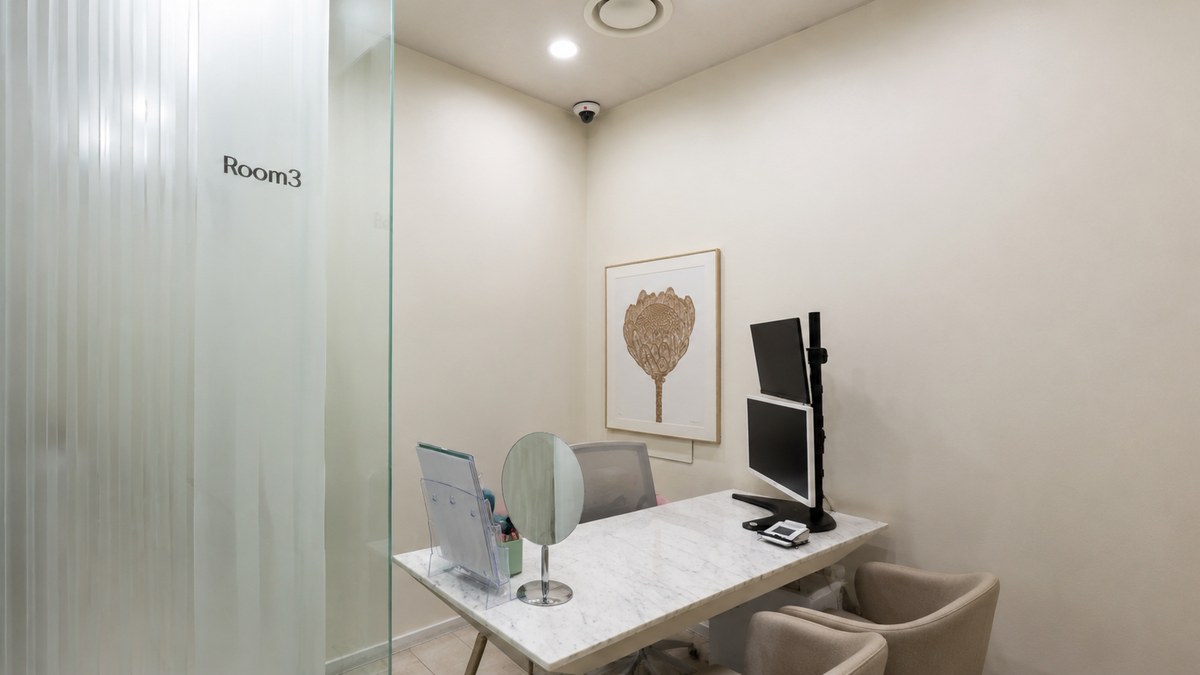
First visits follow a predictable rhythm: registration with your ARC or passport, a consultation with the doctor, often skin photography, and either a same-day treatment or a scheduled plan. Payment is per visit or per package, and Korean national health insurance generally applies to medical dermatology, such as rashes or infections, but not to aesthetic procedures.
We wrote a step-by-step walkthrough in our guide to a first visit at a Korean dermatology clinic, including what to bring and how consent forms are handled.
Questions worth asking any clinic
Take these to your consultation. The answers separate clinics quickly.
- Is the treating doctor a board-certified dermatologist?
- What is my diagnosis, and what would you not treat?
- Why this device or treatment for my case, rather than the alternatives?
- How many sessions, and what happens if I stop early?
- What are the realistic risks and downtime for my skin type?
- Who do I contact if something concerns me after treatment?
A clinic that answers all six without friction is usually a clinic you can work with.
About Dr. E-Laser Dermatology

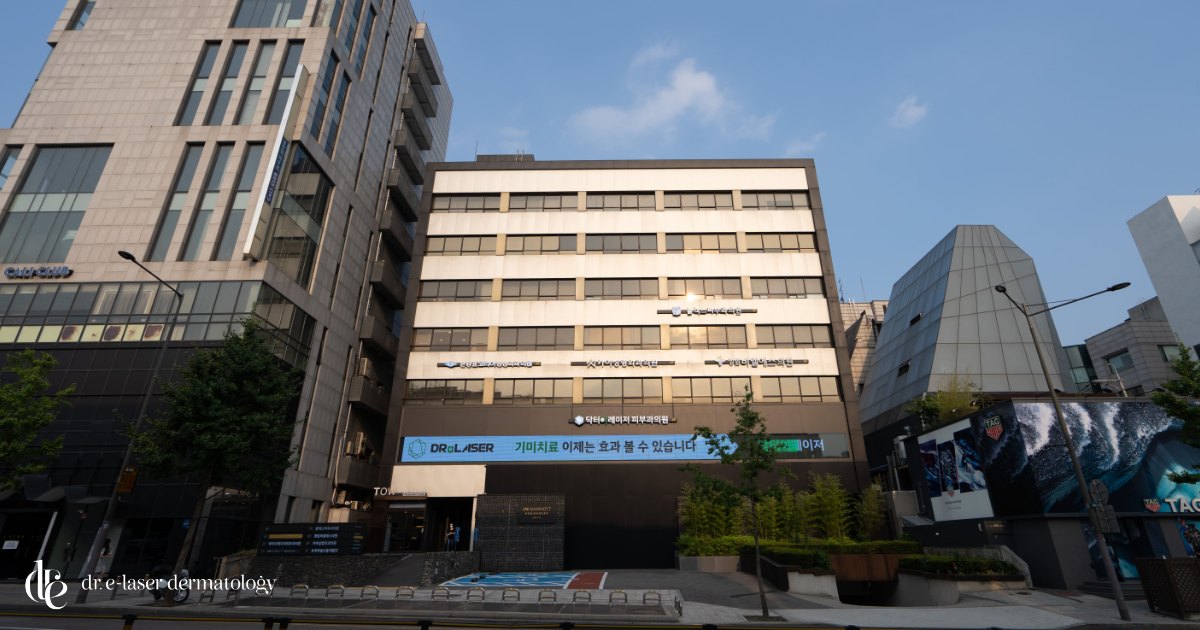
Dr. E-Laser Dermatology is a dermatologist-led clinic in Cheongdam, Seoul, treating English-speaking residents across medical and aesthetic dermatology. Consultations are diagnosis-first, and treatment plans are explained in English before anything is booked. The clinic focuses on laser treatment for pigmentation, acne and scar care, skin boosters, and energy-based lifting.
Frequently asked questions
Hours, location, booking and aftercare are answered in one place on our clinic FAQ page.
Do dermatologists in Seoul speak English?
Some do, and many clinics offer partial support through coordinators or translation apps. Full English consultations with the doctor are less common, so confirm the arrangement by message before booking. Clinics with WhatsApp or English phone lines are usually set up for international patients end to end.
Do I need a referral to see a dermatologist in Seoul?
No. Dermatology clinics in Korea accept direct bookings, and many accept same-week appointments. Bring your ARC or passport for registration. For covered medical conditions, your national health insurance applies at clinic level without a referral.
How much does a dermatology clinic in Seoul cost?
Medical dermatology visits covered by national insurance are typically inexpensive at the point of care. Aesthetic treatments are paid out of pocket and priced per session or package, varying widely by device and area. See our breakdown of skin treatment costs in Seoul for how the pricing structure works. Exact costs should be confirmed in consultation.
What is the difference between a skin clinic and a dermatology clinic in Korea?
Any licensed physician can operate an aesthetic "skin clinic" in Korea. A dermatology clinic marked 피부과의원 is led by a board-certified dermatologist who completed a dermatology residency. Both operate legally under Korean medical law. For diagnosis-sensitive conditions such as melasma or persistent acne, it is worth confirming the treating doctor's dermatology board certification before you start.
If you would like a diagnosis-first consultation in English, Dr. E-Laser Dermatology in Cheongdam can be reached by WhatsApp to arrange an appointment.