
Medically reviewed by Dr. Kwangsuk Suh, board-certified dermatologist.
Korean skin treatments are in-clinic dermatology procedures developed or popularized in Korea, including laser toning, skin boosters, and non-surgical lifting devices. In Seoul, they are typically performed at dermatologist-led clinics in short sessions with little downtime. Most are planned as a series of visits rather than a single appointment.
That is the short definition. The longer story is why these treatments earned their reputation, and how to use a skin clinic in Korea well if you live here and your Korean is limited. This guide covers the main categories, the way clinics actually operate, and how pricing is structured, so you can walk into a consultation with realistic expectations.
What "Korean skin treatment" actually means
The phrase gets used loosely online, so it helps to separate three things.
First, there are procedures that Korean dermatology adopted early and refined at scale. Laser toning for pigmentation, thread-free lifting devices, and injectable skin boosters all fall here. The technology is international, but Korean clinics perform these at high volume, and protocols matured accordingly.
Second, there is the Korean clinic model itself: dermatologist-led care, dense competition in districts like Apgujeong and Cheongdam, and treatment plans built around maintenance rather than one-off fixes. Many patients visit monthly, the way they might see a hair stylist.
Third, there is K-beauty skincare, the cosmetics you buy in a shop. This guide is not about that. In-clinic treatments work at a depth that cosmetics cannot reach, which is why they are medical procedures performed under a doctor's supervision.
It is normal to feel cautious about medical procedures in a country where you may not speak the language. The good news is that the system is easier to navigate than it looks, and several Seoul clinics support care fully in English.
The main categories of Korean skin treatments
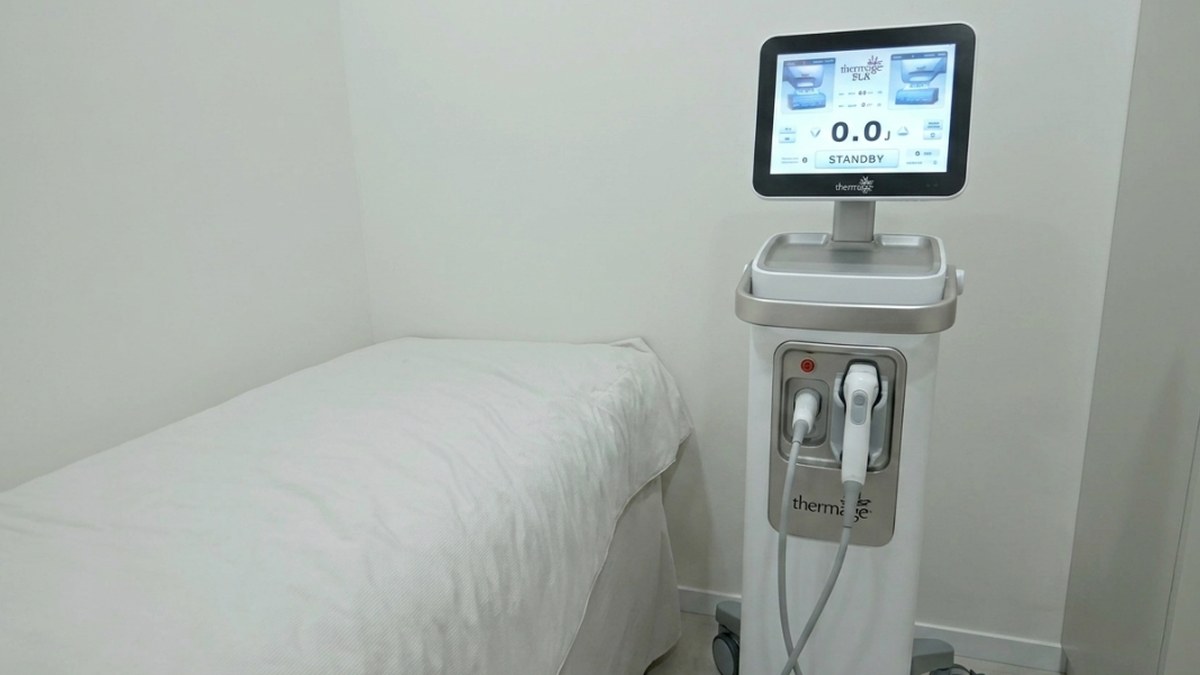
Most in-clinic treatments in Seoul fall into four groups. Each group answers a different question about your skin.
Laser treatments: tone, texture, and pigmentation
Lasers target a specific problem in the skin, such as pigment, redness, or scar tissue.
- Laser toning uses low-energy laser passes to break down pigment gradually. It is a staple for uneven tone and melasma, usually done as a series.
- Pico lasers deliver energy in ultra-short pulses, which fragments pigment finely and typically suits spots, fine texture, and some tattoo or blemish work. Our guide to pico laser treatment in Seoul explains the mechanism in detail.
- Fractional and resurfacing lasers treat texture and scarring by creating controlled micro-injuries that the skin then repairs. For acne scarring specifically, see our guide to acne scar laser treatment in Seoul.
Sessions typically take 10 to 30 minutes. Redness for a few hours to a few days is common, depending on the device and setting.
Skin boosters and injectables: hydration and skin quality
Skin boosters are micro-injections that place hydrating or biostimulating ingredients directly into the skin. They address dullness, dehydration, and fine texture rather than deep wrinkles.
Korea is where much of this category matured, and the menu is wide: polynucleotide injectables such as Rejuran, ECM-based boosters such as Re2O, and collagen-stimulating options such as Juvelook. Our overview of skin boosters in Korea compares the main types, and there are deeper guides to Rejuran in Seoul and the Re2O ECM booster.
Dermal fillers sit in a related but distinct category: they restore volume in specific areas rather than treating overall skin quality. See our guide to dermal filler in Seoul for how clinics approach this conservatively.
Lifting and tightening devices: firmness without surgery
Energy-based lifting devices heat deeper layers of the skin to tighten tissue and stimulate collagen over time. This is the category behind names you may have heard: Ultherapy, Thermage, Shurink, and Onda.
The devices differ in energy type, depth, and comfort, which is why comparison matters more than brand recognition. Start with our comparison of Ultherapy versus Thermage in Korea, then see Shurink Universe and Onda lifting for the Korean-market options that often cost less per session. A broader overview lives in our guide to non-surgical skin tightening in Korea.
Results from lifting devices build gradually. Many patients see change over two to three months as collagen remodels, and effects are typically maintained with periodic sessions rather than repeated monthly.
Condition-focused treatment: acne, pores, redness, and more
The fourth group is not one technology but a medical approach: diagnosing a specific condition and combining tools to manage it. Korean clinics are strong here because dermatologists, not technicians, lead the plan.
- Active breakouts: see acne treatment in Seoul
- Visible pores: see enlarged pores treatment in Korea
- Under-eye darkness: see dark circles treatment in Korea
- Sun spots and melasma: see our guide to pigmentation treatment in Seoul
If your concern is aging broadly rather than one condition, our guide to anti-aging treatments in Korea maps options by decade and concern.
How a skin clinic in Korea actually works
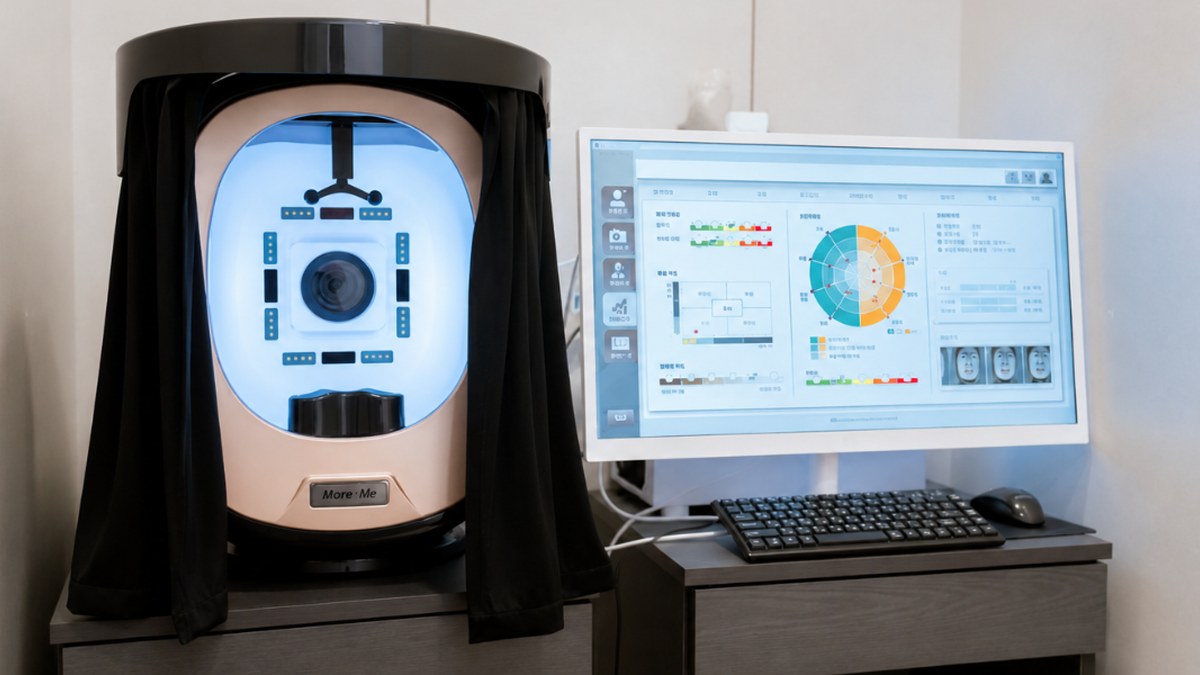
A first visit to a skin clinic in Korea usually follows a consistent pattern: registration, a skin consultation, sometimes skin analysis photography, then a same-day or scheduled treatment. Numbing cream, where needed, adds 20 to 30 minutes before the procedure.
Two things surprise many international patients.
Treatment plans are series-based. A Korean dermatologist will rarely promise a one-visit transformation. Laser toning may be planned as five to ten sessions. Boosters often come in sets of three. This is not upselling by default; it reflects how these treatments actually work, gradually and cumulatively. A trustworthy clinic will explain why a series is or is not necessary for your case.
Clinics differ more than menus suggest. Two clinics can list identical devices and deliver different care, depending on who operates the device and how much time the doctor spends with you. Our guide to choosing a dermatology clinic in Seoul covers what to check, and our walkthrough of a first visit to a Korean dermatology clinic removes most of the day-one uncertainty.
If English support matters to you, confirm it before booking rather than at the front desk. Our guide to finding an English-speaking dermatologist in Seoul explains what real English support looks like beyond a translated menu.
What treatment at a skin clinic in Korea costs
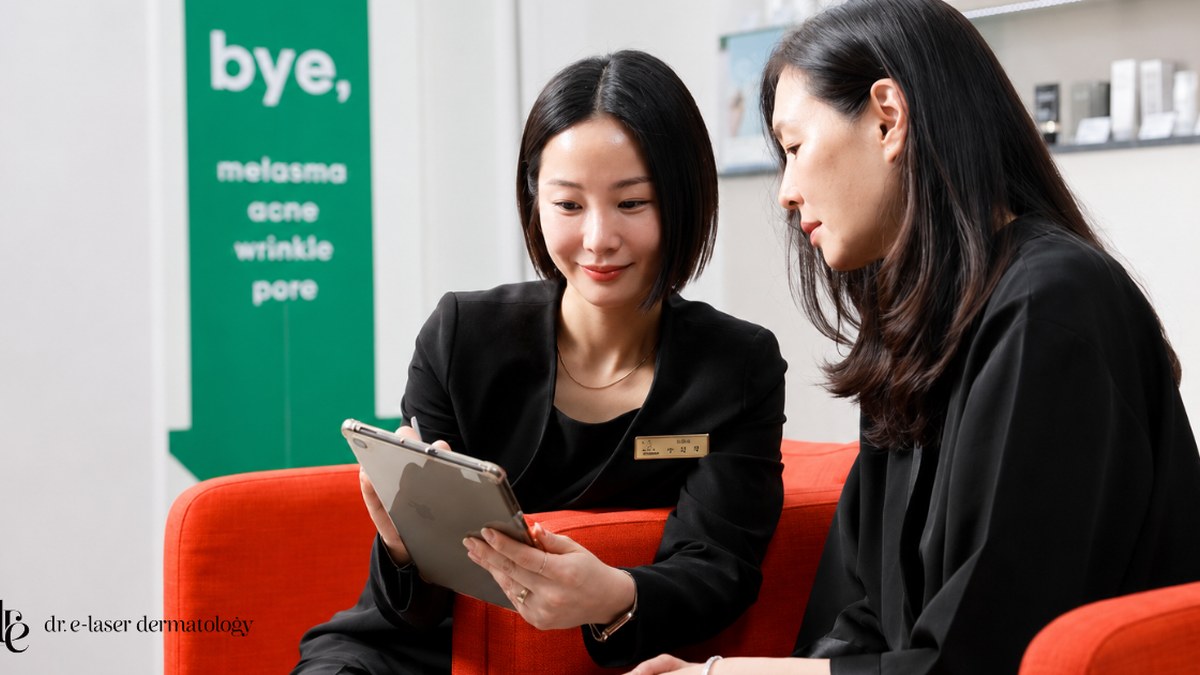
Cost is usually the last question we recommend resolving, after diagnosis, because the right treatment for your skin determines the number that matters.
That said, the structure is predictable. Pricing in Seoul is typically per session or per package, quoted after consultation, and it varies with the device used, the area treated, and the number of sessions planned. Simple laser toning sessions sit at the lower end of clinic menus; premium lifting devices such as Ultherapy sit at the upper end because of device and tip costs. Packages usually lower the per-session price but commit you to a plan, so only package what your doctor has justified.
As a general orientation, per-session pricing at Seoul dermatology clinics varies widely by device: basic laser toning sits at the lower end of clinic menus, while full-face premium lifting devices sit at the upper end. Actual costs depend on your skin, the treatment area, and the plan your dermatologist recommends, and they should always be confirmed in consultation. For a fuller breakdown by category, see our guide to skin treatment costs in Seoul.
Korean skin treatments at Dr. E-Laser Dermatology
Dr. E-Laser Dermatology is a dermatologist-led clinic in Cheongdam, Seoul, caring for international patients across the categories above: laser treatment for pigmentation and texture, skin boosters, energy-based lifting, and condition-focused care such as acne and melasma. Consultations are diagnostic first. You will hear what we would not treat as clearly as what we would.
English communication is available by phone and WhatsApp, and treatment plans are explained in English before anything is scheduled.
Frequently asked questions
Are Korean skin treatments safe?
In-clinic treatments in Korea are medical procedures regulated under Korean medical law and performed under a doctor's responsibility. Safety depends primarily on correct diagnosis and appropriate device settings, which is why the consultation matters more than the device list. Side effects such as temporary redness or swelling are common and typically short-lived.
Do I need to speak Korean to visit a skin clinic in Korea?
No, but English support varies widely between clinics. Some offer full English consultations with the dermatologist; others rely on translation apps at the front desk. Confirm the level of English support before booking if understanding your diagnosis and aftercare matters to you.
How often do people in Korea get skin treatments?
Maintenance-minded patients often visit monthly for toning or booster sessions, while device-based lifting is typically repeated only every 12 to 18 months. Frequency should follow your diagnosis and budget, not a trend. A reasonable clinic will tell you when less is enough.
Is one session enough to see results?
For some treatments, such as certain lasers for discrete sun spots, one session can produce visible change. Most Korean skin treatments, including toning and boosters, are designed as a series, with results building gradually over weeks. Ask your dermatologist what a realistic timeline looks like for your specific plan.
If you are considering treatment and want a diagnosis-first opinion in English, you can reach Dr. E-Laser Dermatology by WhatsApp to arrange a consultation.