
Updated October 2026.
Medically reviewed by Dr. Kwangsuk Suh, board-certified dermatologist.
Rejuran is one of those treatments people have heard of long before they understand it. The name comes up constantly, usually attached to the phrase salmon DNA, which tends to raise more questions than it answers. Most patients arrive curious but vague: they know it is supposed to be good for the skin, and not much beyond that.
So here is the plain version. Rejuran Healer, the flagship of the range, is a skin booster that works by repair, not by filling or freezing. This guide explains what it does, the product family patients often ask about, what a course involves, and how it differs from Juvelook. It is written for international patients considering treatment in Seoul, with coordinator support available for appointment questions and consultation communication. Our guide to finding an English-speaking dermatologist in Seoul explains the wider process.

What Rejuran is
Rejuran is an injectable skin booster built around polynucleotides: short chains of DNA fragments derived from salmon. Delivered into the skin, they are used to support the skin repair environment. Fibroblast activity, collagen and elastin support, barrier recovery, and hydration are the ideas behind the treatment.
The distinction worth holding on to is this. A filler adds volume. A muscle relaxant softens movement. Rejuran does neither. It works on the quality and resilience of the skin itself gradually, by encouraging repair. That is why the result is framed as healthier-looking skin rather than a different-looking face.
What Rejuran helps with
Rejuran is most often considered for:
- Dull, tired-looking skin that has lost its bounce
- Fine lines and early loss of elasticity
- Rough or uneven texture and visible pores
- A weakened or easily irritated skin barrier
- Crepey, thinning skin under the eyes, when the appropriate formula is chosen
It tends to suit thinner, more sensitive, or stressed skin especially well: skin that needs settling and strengthening rather than reshaping. What it does not do is add volume or lift loose skin. If your concern is structural laxity, a booster is the wrong tool, and an honest consultation should say so.
The Rejuran range patients often ask about
Rejuran is not a single idea in patients minds, but a small family of products often discussed for different needs. Availability and suitability should always be confirmed during consultation.
- Rejuran Healer: the original and most widely known option, discussed for overall skin regeneration, texture, and elasticity.
- Rejuran HB: polynucleotides combined with hyaluronic acid, commonly discussed when hydration and glow are the main concerns.
- Rejuran I: a lighter option often discussed for the delicate under-eye area.
- Rejuran S: a denser option sometimes discussed for the appearance of selected depressed scars.
Which one suits you, and whether a combination makes sense, is a decision for your consultation, not a menu choice made in advance.
Rejuran by area: which formula goes where
The Rejuran formula is chosen by the area as much as by the skin concern, and the skin booster programme at Dr. E-Laser Dermatology lists the areas each one is used on.
Rejuran Healer, the original polynucleotide formula, is used across the cheeks and the cheekbone zone, the forehead and around the nose, the neck and jawline, and the full face when the goal is overall regeneration, texture and elasticity. Rejuran HB, which combines polynucleotides with hyaluronic acid, covers the same regions but is chosen when the skin is dry and tight and hydration and glow are the priority. Rejuran I is the eye-area formula: a lighter preparation made for the thinnest skin, applied to the outer corners of the eyes, the under-eye area, the whole eye contour and the skin above the cheekbone, where fine lines and a weakened barrier show first.
Whether a combination makes sense, for example Healer on the cheeks with I around the eyes, is decided at the consultation from skin thickness and how reactive the skin is.
Rejuran and Juvelook: how they differ
These two are the boosters patients confuse most, and they are genuinely different tools.
Juvelook is built on PDLLA, a collagen-stimulating polymer, blended with hyaluronic acid. It encourages the skin to build new collagen and tends to suit skin that wants more structure and firmness. Rejuran is built on polynucleotides and leans the other way: towards repair, barrier strength, and calming, which is why it often suits thinner, more sensitive, or reactive skin.
In practice they are complementary more often than competing. One patient may do well with Juvelook for firmness; another with Rejuran for a stressed, depleted barrier; and some plans use each for what it is good at. The right choice, or the right combination, comes from a proper look at your skin, not from deciding in advance which name you prefer. If you are weighing the wider field, including the newer ECM booster Re2O, our Korean skin boosters guide places every option side by side.
What a session is like
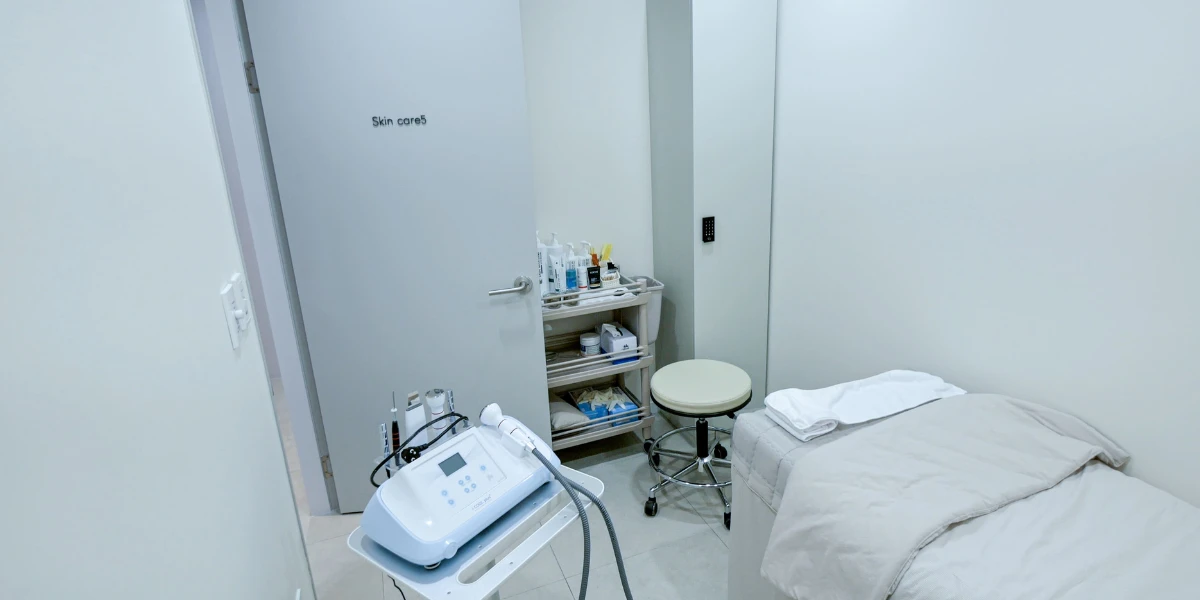
A session begins with a skin assessment and a numbing cream for comfort, since Rejuran is delivered as a series of small injections across the treatment area. The treatment itself is usually quick, often around twenty to thirty minutes once the skin is numb.
Afterwards, small raised bumps at the injection points are normal and expected. They are simply the product sitting in the skin, and they generally settle within a day, occasionally two. Mild redness or slight bruising can occur. Most patients are comfortable returning to their usual routine the same day or the next morning.
What to expect
Rejuran is a course rather than a one-off. Most plans involve around three to four sessions spaced three to four weeks apart, so the skin can repair steadily between visits. Many patients notice their skin looking healthier from about the second session, with the fuller effect developing over the weeks after the final one.
The change is gradual and works with your skin rather than overriding it. Results are not permanent; skin continues to age, so maintenance sessions may help hold the improvement. Your doctor will set the rhythm based on your skin and how it responds.
Is Rejuran right for you?
Rejuran suits patients who want their skin to look healthier, calmer, and more resilient: better quality rather than a changed shape. It is a particularly good fit for thinner or sensitive skin, the early signs of ageing, and a barrier that has been left reactive by over-treatment or environment.
It is less likely to be the answer if your main concern is volume loss or sagging, which call for different approaches, or if you expect a single session to transform your skin. As with every treatment here, the honest version is the useful one: if a booster is not what your skin needs, you should be told so before you commit to a course.
Not sure whether Rejuran or another approach fits your skin? You are welcome to share a photo; our English-speaking team can help with appointment questions and communication support for your consultation. Speak with us on WhatsApp.
Planning Rejuran around a trip to Seoul
Rejuran short downtime makes it practical for visitors. The small injection bumps usually settle within a day, so it fits into a trip without much disruption, though allowing a day or so before an important event or your flight is sensible in case of minor redness or bruising.
The one thing a short visit cannot always accommodate is the full three-to-four-session course. If you are in Seoul only briefly, your doctor can talk through what is realistic: perhaps a first session here with a plan to continue, or a different treatment better matched to your timeline. Sharing a photo before you travel helps the team prepare and make good use of the time you have.
Rejuran at Dr. E-Laser Dermatology
Dr. E-Laser Dermatology is a laser-focused dermatology practice in Cheongdam, Seoul. With boosters such as Rejuran, the doctor-led approach shows in the matching: choosing the right formula, the right depth, and the right plan for your skin, rather than offering one product to everyone. Sometimes that means combining or sequencing treatments thoughtfully. Sometimes it means advising against a course that will not serve you.
Our English-speaking coordinators support you from the first message through aftercare. The consultation remains doctor-led, with coordinator support available to help communication feel clear and comfortable. You can reach us on WhatsApp.
Pricing and consultation
Because a Rejuran plan depends on the formula, the areas treated, and the number of sessions, pricing is shared during your consultation rather than as a single fixed figure. That keeps the plan matched to your skin, rather than sold by the syringe.
Frequently asked questions
What is Rejuran made of?
Rejuran is based on polynucleotides, DNA fragments derived from salmon. Rather than adding volume, it is used to support the skin repair environment and improve skin quality over time.
Is Rejuran a filler?
No. A dermal filler adds volume to reshape or plump an area. Rejuran works on skin quality: texture, resilience, and hydration. They are sometimes used together in a plan, but they do different jobs.
Does Rejuran hurt?
A numbing cream is applied first, so most patients find it manageable. Because it is a series of small injections, you may feel brief stings, and small bumps at the injection points are normal afterwards.
How many sessions will I need, and when will I see results?
Most plans involve about three to four sessions, three to four weeks apart. Improvement is gradual; many patients notice healthier-looking skin from around the second session, with the fuller effect developing in the weeks after the last one.
How long do the results last?
Results are not permanent, as skin continues to age. Many patients maintain the improvement with periodic maintenance. Your doctor will advise on timing for your skin.
Rejuran or Juvelook: how do they differ?
Juvelook, a PDLLA-based collagen stimulator, leans towards firmness and structure, while Rejuran leans towards repair and barrier strength. The right choice, or combination, depends on your skin.
What are the different types of Rejuran?
Patients commonly ask about Healer, HB, I, and S. Suitability and availability should be confirmed during consultation, because the right choice depends on treatment area, skin condition, and goals.
Is there much downtime?
Usually little. Small bumps at the injection sites often settle within a day or two, with possible mild redness or slight bruising. Most patients return to normal activity quickly.
How is the consultation supported in English?
English-speaking coordinators help with appointment questions, communication during your consultation, and aftercare instructions. You are welcome to message us on WhatsApp before your visit.
About the doctor
Dr. Kwangsuk Suh is a board-certified dermatologist and the medical director of Dr. E-Laser Dermatology. He is an adjunct clinical professor of dermatology at Kyung Hee University and Sungkyunkwan University colleges of medicine, and an active member of the Korean Association of Dermatologists, the Korean Association of Clinical Dermatologists, the Korean Society of Hair Restoration Surgery, and the Korean Society for Dermatologic and Cosmetic Surgery.
Arrange a consultation
If you would like to know whether Rejuran suits your skin, or whether another approach would serve you better, we are glad to help. Share a photo, ask anything, and arrange a visit with English-speaking coordinator support. Speak with us on WhatsApp.
This article is for general information and is not medical advice. Outcomes vary between individuals, and a diagnosis and treatment plan are confirmed during an in-person consultation.
Medically reviewed by Dr. Kwangsuk Suh, board-certified dermatologist.
To see how this is done at our clinic, read more about our collagen booster treatment.