
Medically reviewed by Dr. Kwangsuk Suh, board-certified dermatologist.
Korea’s reputation for skin rests on a simple idea: start early, act gently, and stay consistent. International patients researching anti-aging treatments in Korea tend to ask the same question in different words: what should I be doing at my age? The honest answer is that skin priorities shift by decade, and a plan that suits a thirty-four-year-old rarely suits a fifty-six-year-old.
This guide maps Korean anti-aging skin treatments to the decades of adult skin: your 30s, your 40s, and your 50s and beyond. It is a planning framework rather than a menu, written for international patients, and our coordinators can help you shape it.
On this page:
- How skin ages, and why the decade matters
- In your 30s: prevention and collagen banking
- In your 40s: when lifting enters the plan
- In your 50s and beyond: structure and combination
- The habits that carry every decade
How Skin Ages, and Why the Decade Matters
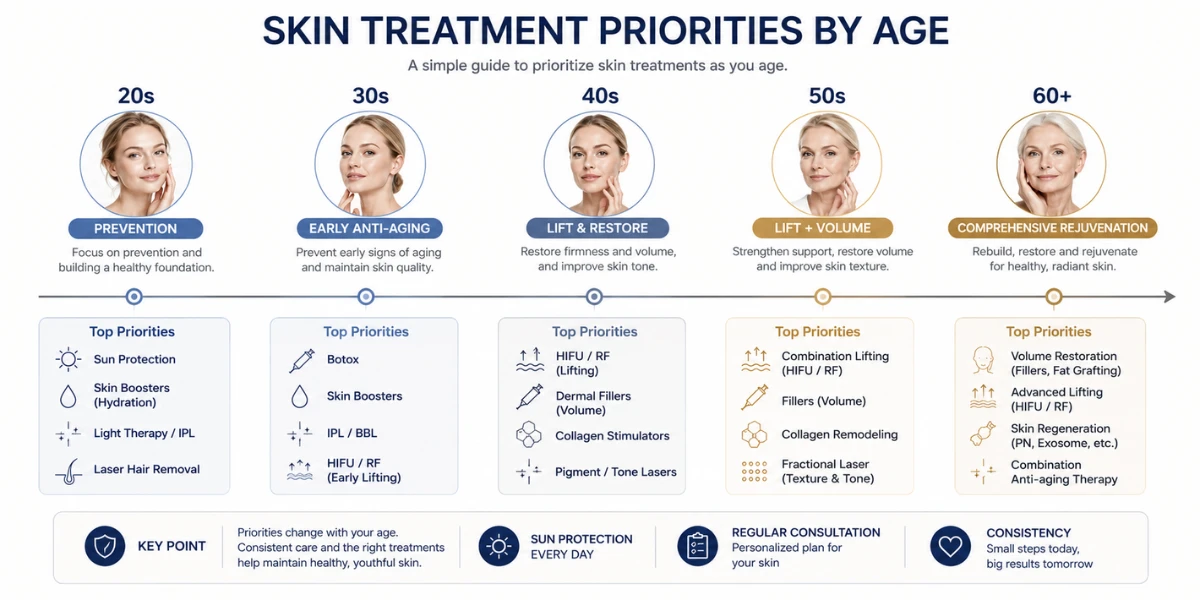
Collagen production begins to decline gradually from the mid-twenties. Sun exposure accumulates quietly as uneven tone and texture. The skin’s deeper support loosens later still. Ageing is one continuous process, but its visible priorities arrive in a rough order: tone and early lines first, firmness and deeper pigment next, structural laxity after that.
Prevention and correction are different jobs. Prevention preserves what you have while it is still there; correction rebuilds what has changed. Knowing which decade you are in tells you the sensible mix of the two.
In Your 30s: Prevention and Collagen Banking
Skin treatments in your 30s are mostly about protecting what is still intact. Early sun damage begins to surface as dullness and uneven tone, the first fine lines settle around the eyes, and skin recovers from late nights a little more slowly.
Three categories carry this decade. Gentle laser toning keeps tone even and clear; our pico laser guide explains the approach. Skin boosters maintain hydration and resilience from within, with Rejuran supporting the skin’s own repair. And collagen stimulation, for instance with Juvelook, is what many doctors call collagen banking: building reserve in your thirties so the decline of later decades starts from a higher base. This is the decade where anti-aging treatments in Korea are at their most preventive, and often at their gentlest.
In Your 40s: When Lifting Enters the Plan
In your 40s, the work changes character. Firmness along the jawline and mid-face begins to soften, pigment sits deeper and lingers longer, and melasma may appear or darken; our melasma guide covers that path. Fine lines start to hold their crease.
This is typically when lifting earns a place. The non-surgical skin tightening category spans several depths: focused ultrasound with Ultherapy for the deeper support layer, and radiofrequency with Thermage for dermal firmness and early crepiness. Skin treatments in your 40s usually pair one lifting approach with continued tone and booster work, because firmness without clarity, or clarity without firmness, reads as only half a result.
Two practical notes for this decade. First, lifting results build gradually over two to three months, so timing matters if you are planning around an event or a trip. Second, prevention does not retire at forty; sunscreen and steady maintenance keep the corrective work from being quietly undone.
In Your 50s and Beyond: Structure and Combination
By the 50s, laxity is usually established rather than emerging, skin is thinner and drier, and pigment tends to be mixed in depth. Single-device answers become rare. Skin treatments in your 50s are usually combined plans: a structural lift for support, boosters to restore skin quality, and measured pigment work for tone, sequenced across visits rather than crowded into one.
Spacing matters as much as selection here. Deeper treatments are given room to work before the next layer is added, which is why a considered plan for this decade tends to unfold over a few visits rather than a single intensive day.
It is also the decade for honesty. Energy-based treatments refine and firm; they do not replicate surgery, and a considered consultation will say where the ceiling sits for your skin. Within those limits, well-sequenced anti-aging treatments in Korea can change how the whole face carries light, not just one feature.
The Habits That Carry Every Decade
Whatever your age, the same foundations hold the result: daily sunscreen, a consistent routine, and a maintenance plan of periodic treatments rather than occasional dramatic corrections. Skin keeps changing, so a good plan is reviewed as the years move, shifting the balance of prevention versus correction as your skin asks for it.
If you take one idea from this guide, take this one: the patients whose skin ages most gracefully are rarely those who did the most, but those who did the right things, consistently, decade after decade.
Not sure which decade’s plan fits your skin? Share a photo and our English-speaking coordinators will help you sketch one. Speak with us on WhatsApp.
Anti-Aging Planning at Dr. E-Laser Dermatology
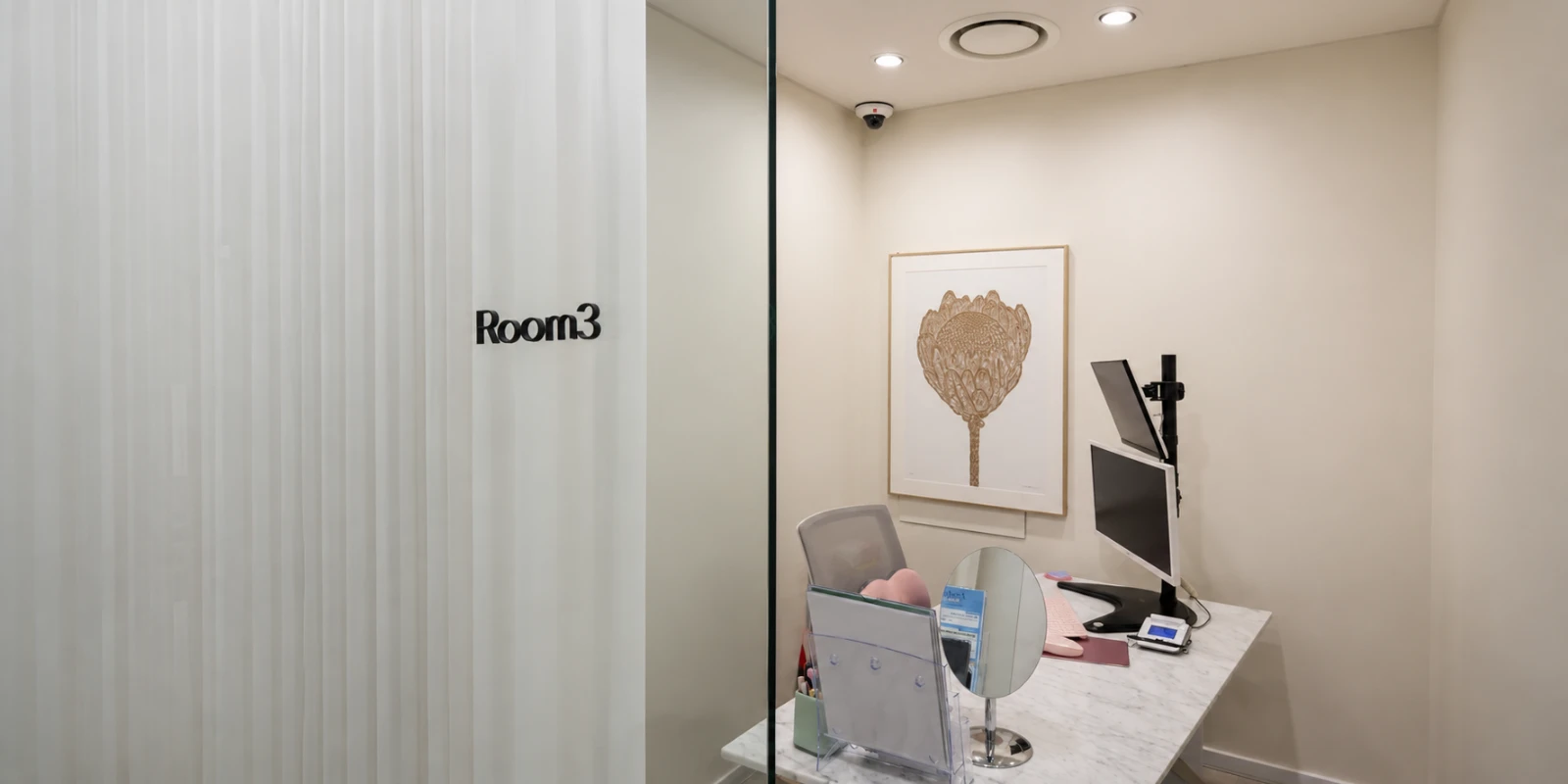
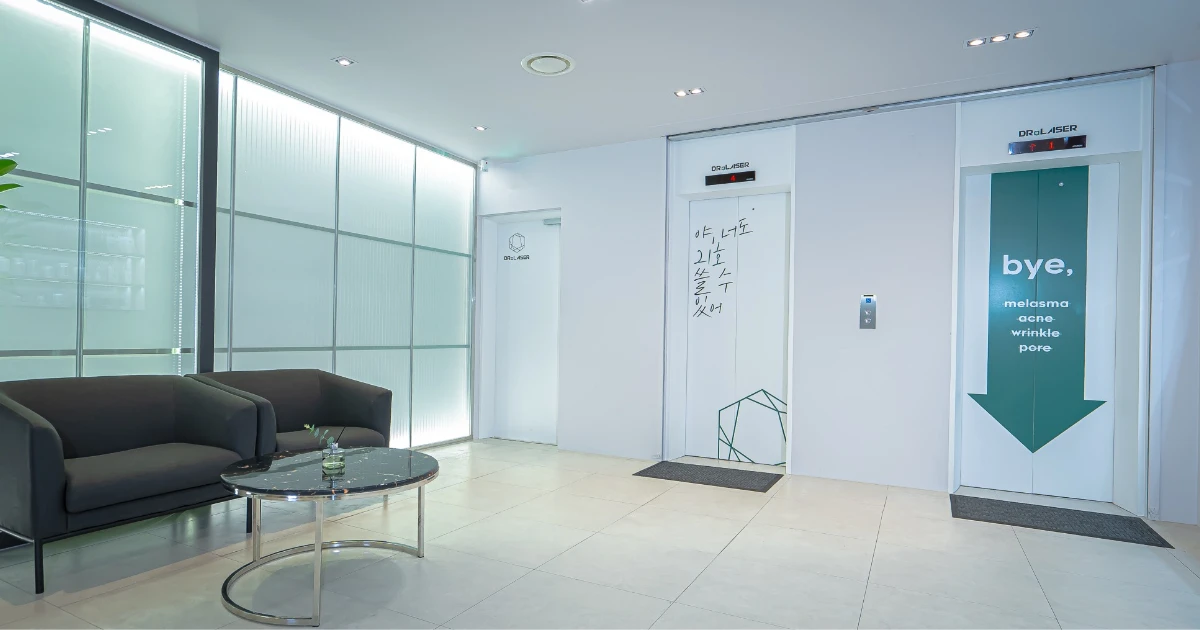
Dr. E-Laser Dermatology is a laser-focused dermatology practice at 830 Seolleung-ro, 2F, Gangnam-gu, Seoul, a one-minute walk from Apgujeong Rodeo Station Exit 4. Because toning, boosters, and the main lifting technologies sit under one roof, anti-aging treatments in Korea can be sequenced here by the doctor’s read of your skin rather than assembled from separate clinics.
Our coordinators and staff support you in English, from the first message through the consultation with the doctor to aftercare. Our guide to finding an English-speaking dermatologist in Seoul explains the wider process. Enquiries can be made on WhatsApp.
Pricing and Consultation
Because an age-based plan depends on which categories your skin needs and how they are sequenced, pricing is shared during your consultation rather than as a single fixed figure.
Frequently Asked Questions
At what age should anti-aging treatments start? There is no single right age. Most patients begin with gentle, preventive work (toning, boosters, collagen stimulation) in their early to mid 30s, guided by their skin rather than their birthday.
When is lifting worth considering? Usually when firmness visibly softens along the jawline or mid-face, most often in the 40s. The decision is made on what your skin is doing, not on age alone.
What is collagen banking? Stimulating collagen while your skin still produces it readily, typically in your 30s, so later decades start from a stronger base. Collagen-stimulating boosters are the usual route.
Can several treatments be combined in one trip? Often, yes. Many plans pair toning, boosters, and lifting, sequenced sensibly across a visit. The order and spacing are set by the doctor.
Is support available in English? Yes. Our English-speaking coordinators support you from the first message through the consultation to aftercare, and you are welcome to message us on WhatsApp before your visit.
About the Doctor
Dr. Kwangsuk Suh is a board-certified dermatologist and the medical director of Dr. E-Laser Dermatology. He is an adjunct clinical professor of dermatology at Kyung Hee University and Sungkyunkwan University colleges of medicine, and an active member of the Korean Association of Dermatologists, the Korean Association of Clinical Dermatologists, the Korean Society of Hair Restoration Surgery, and the Korean Society for Dermatologic and Cosmetic Surgery.
Arrange a Consultation
If you would like a plan matched to your decade and your skin, we are glad to help. Share a photo, ask anything, and our English-speaking coordinators will arrange a private consultation. Speak with us on WhatsApp.
This article is for general information and is not medical advice. Outcomes vary between individuals, and a diagnosis and treatment plan are confirmed during an in-person consultation. Medically reviewed by Dr. Kwangsuk Suh, board-certified dermatologist.